

Key Highlights:
- Cities: Skylines II Bridges & Ports expansion is out now with over 100 new assets, five maps, and fully customisable ports.
- The DLC adds ferries, drawbridges, fishing industries, and waterfront businesses for deeper coastal gameplay.
- It launches today alongside the Cold Wave Channel Radio Station and a major base-game update improving visuals and water physics.
Quick Links:
Cities: Skylines II Bridges & Ports Arrives
Cities: Skylines II has finally received the major expansion players have been waiting for. Bridges & Ports is now live, and it’s a genuine step up for anyone serious about city-building detail, logistics, and coastal design. I’ve spent time digging through the new tools and systems, and this isn’t just cosmetic filler. The pack redefines how you handle your city’s waterfront, connecting design freedom with functional transport and industry systems.
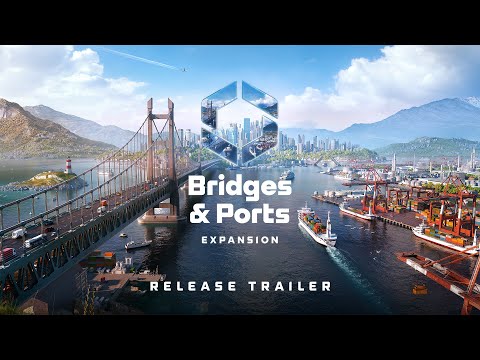
Bridges & Ports introduces 20 new bridge types, a complete ferry system, fishing industries, modular ports, and dozens of new waterfront assets that can genuinely change how your city breathes. It also comes with five new maps, 100-plus buildable items, and a separate Cold Wave Channel Radio Station for those who want the full atmospheric experience while planning out their new shoreline districts.
Bridges and Ferries
When I tested the new bridges, I immediately noticed how much more personality they add. There are ten static bridges, including elegant suspension and truss designs, and another ten that are movable, such as drawbridges, lift bridges, and ones compatible with subway, tram, and pedestrian routes.
The craftsmanship is sharp, right down to cables and deck details. You can use the movable bridges either as regular crossings or make them operational when ships pass underneath. It’s an incredibly flexible system that makes traffic planning near waterways feel natural instead of forced.
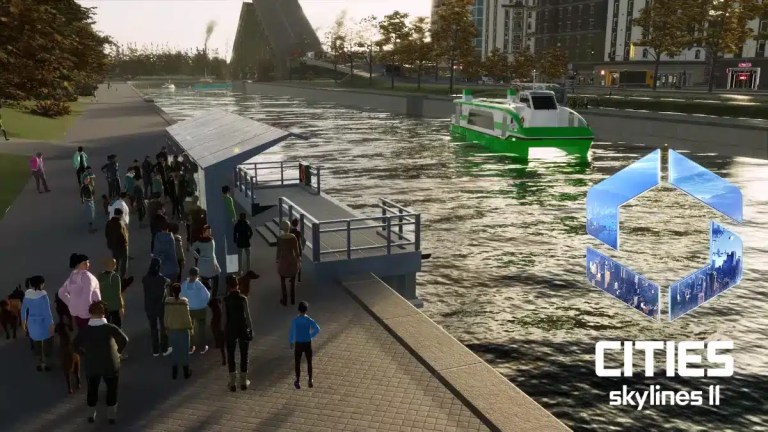
Ferries are easily one of the biggest quality-of-life additions. Previously, we had to improvise passenger ports to simulate short-distance water travel. Now, ferries are fully supported with smaller, practical stops and dedicated seaways that can weave through rivers or coastlines without colliding with larger vessels.
You can create smaller-scale public transport loops between districts, islands, or harbours without needing to rely on clunky cruise ship terminals. For anyone building realistic metropolitan networks, this alone is worth the price of entry.
Fishing and Ports
Fishing is another area that finally feels complete. Players can now create fishing zones and inland fish farms connected to ports via narrow seaways. Watching smaller boats head out to fish and return to storage yards adds a layer of authenticity that was missing before. The addition of two fishing types, open-sea areas and structured farms, gives builders full control over both function and aesthetics.
I particularly liked that fish farms spawn visible nets and structures, making the water feel busy and alive.
The new ports themselves are where the DLC’s depth really shows. Instead of static, single-use buildings, these are modular. You can slot components together into completely unique configurations such as commercial docks, tourism hubs, or pure industrial layouts. My port district became a mix of freight terminals, storage yards, and decorative piers with cranes, sheds, and maritime museums.
It feels like a natural extension of my city rather than an isolated zone. Even better, the same modular logic can be repurposed for other uses like logistics hubs, industrial parks, or waterfront leisure zones.
Visual and Design Upgrades
Visually, the DLC pairs nicely with the base game’s free update, which refreshes road textures and improves water physics. Roads now have darker wear patterns, giving a more realistic look without relying on visual mods. It’s subtle but noticeable, and when paired with the new harbours and lighthouses, coastal districts look more organic. Speaking of lighthouses, there are four new models.
They don’t flash light beams yet, but they finally look authentic and act as park buildings that citizens visit. Combined with the new piers and leisure assets, they’re perfect for creating postcard-style shorelines.
Nine new parks and leisure structures also make their debut, including animated ferris wheels and themed attractions. Each park is better detailed than before, with improved prop placement and fewer awkward terrain mismatches. I’ve already used them to build small waterfront entertainment districts that feel alive without relying on mods.
Waterfront Zoning and Props
Waterfront zoning has also been expanded with two new commercial styles: European and North American. Together they add over 40 buildings themed around cafes, bars, and restaurants, complete with outdoor seating. These zones make it possible to craft proper nightlife districts for the first time in Cities: Skylines II, especially when paired with previous content packs.
As for smaller details, I love what’s been added for prop users and detailers. There are now boat props, fishing crates, nets, and rope decorations. It’s a small addition but it opens creative freedom for building marinas, shipyards, or private coastal scenes. The fact that they exist in vanilla, not just through mods, is a good sign that Colossal Order is listening to players who value creative flexibility.
Cities: Skylines 2 Bridges & Ports Performance
While testing, I did notice that the movable bridge system doesn’t yet allow for bus or tram lane upgrades, and some of the larger modular port structures are heavy on system resources. But those are minor concerns compared to what’s been achieved here. The DLC also comes with five new maps, each designed with generous coastlines and water dynamics suited to the new systems. My personal favourite so far is the peninsula map; it’s ideal for building a tiered port city with layered transport routes connecting across bays and bridges.
Bridges & Ports feels like the moment Cities: Skylines II hits its stride. It delivers what the first game only achieved through years of mods: modular construction, working maritime traffic, and detailed, scalable infrastructure. The integration of fishing, ferries, and ports makes your coastlines functional, not decorative. And that’s the biggest compliment I can give this DLC, it makes the water matter.
For anyone wondering whether this is worth it, yes. It’s the most meaningful expansion the strategy game has received. It doesn’t just add content; it gives purpose to an entire section of the map that used to be ignored. Whether you’re a detailer, a systems builder, or a casual player who just wants to see your citizens commuting by ferry, Bridges & Ports finally lets you make your shoreline part of the city rather than its edge.