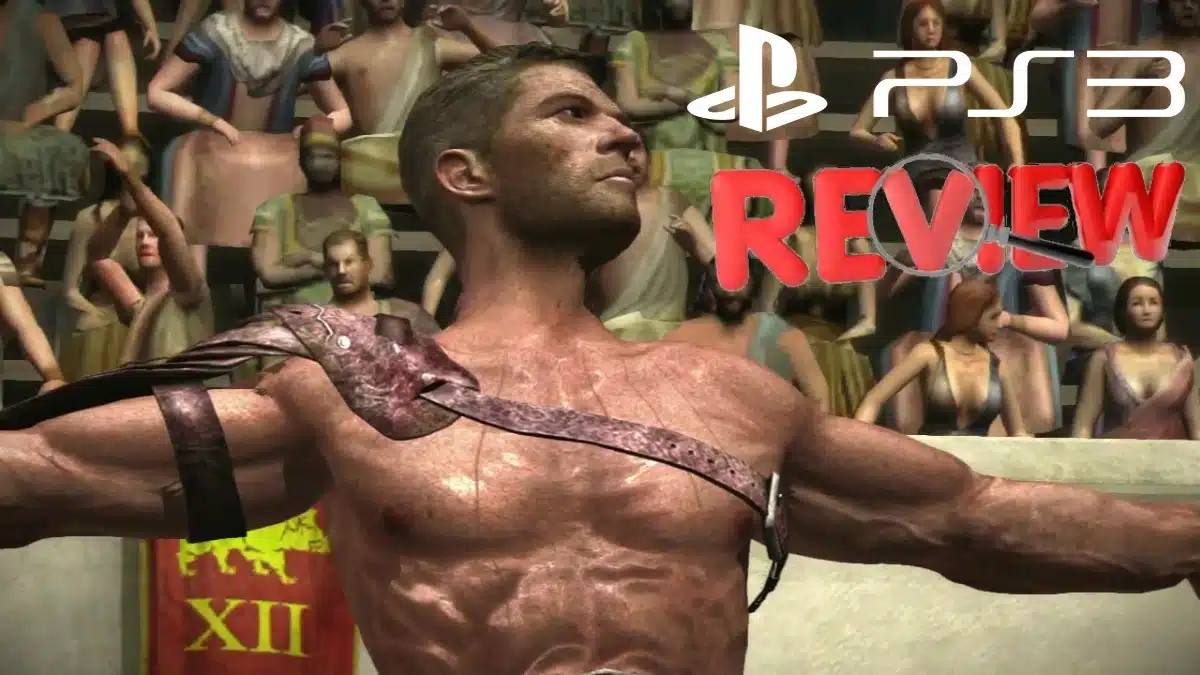
Spartacus Legends takes the brutal arena combat of the television series and turns it into a free-to-play fighting game built around creating, equipping and developing a stable of gladiators.
Developed by Kung Fu Factory and published by Ubisoft, the game was released digitally for PlayStation 3 in June 2013. Instead of following a conventional story campaign, progression revolves around gaining Fame, unlocking new districts and building gladiators capable of surviving increasingly dangerous fights.
There are some good ideas underneath that structure. Different weapons genuinely change how a gladiator fights, and building a roster gave me a reason to experiment with styles I might otherwise have ignored.
For me, however, there were two major problems.
The first was the combat itself. The second was an aggressive free-to-play economy that eventually made progression more frustrating than rewarding.
Quick Links:
Building a Stable of Gladiators
Spartacus Legends begins at the bottom of the arena hierarchy.
Rather than developing one permanent fighter, you recruit gladiators into your Ludus and equip them with weapons, armour and perks. Winning battles earns Fame and Silver, allowing access to stronger equipment and more difficult opponents.
Fame also drives overall progression. Increasing it opens additional areas on the map, eventually leading towards more prestigious battles and legendary opponents.
The idea of managing multiple fighters works particularly well because gladiators aren’t interchangeable.
Their fighting style determines the weapons and moves available to them, while equipment further affects their capabilities.
That initially gave me plenty of incentive to experiment.
Different Weapons Change How Gladiators Fight
The game includes eight gladiator fighting styles, ranging from shield-bearing warriors to dual-wielding and two-handed weapon specialists.
I noticed a clear difference between fighting with a spear, dual daggers and a sword, and I initially had fun experimenting with them and learning how each weapon behaved.
A spear naturally gives you different spacing opportunities from a pair of daggers. Changing weapons therefore means learning another way of approaching an opponent rather than simply equipping an item with better statistics.
This should have been one of the game’s greatest strengths.
Unfortunately, the combat system underneath those styles never gave me enough reason to explore its full range of options.
Combat Rewards Repetition Too Often
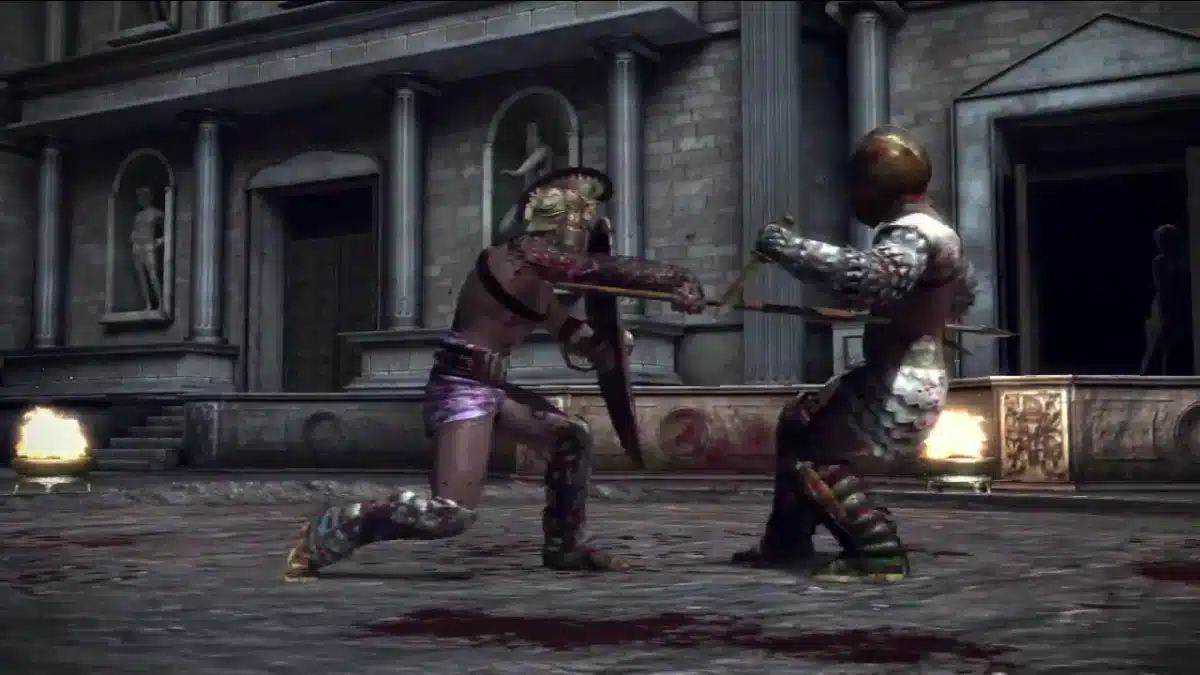
For me, the gameplay was fundamentally broken because, despite having access to different moves, I rarely felt any reason to use them.
I could roll, grab, break guards and use different attacks, but repeatedly using the same move was often more effective than actually trying to vary my approach.
What frustrated me most was that the game sometimes felt harder when I tried to play more thoughtfully.
That’s a serious problem for a fighting game.
Providing several defensive and offensive mechanics means very little when repeating one reliable attack produces better results. Instead of encouraging me to learn the combat system, Spartacus Legends sometimes seemed to punish experimentation.
The different weapon styles partially compensate for that weakness because changing equipment alters range, speed and moves.
But variety between gladiators isn’t the same thing as depth within individual fights.
I wanted the combat to reward me for learning when to roll, grab, break a guard or change my attack pattern. Too often, I found the simplest approach was also the most effective.
Primus Fights Test Your Gladiator Roster

Progression across the map eventually leads to Primus fights.
These are more significant encounters that can impose requirements before you enter them, including restrictions relating to gladiator style or equipment.
That gives the wider roster a purpose.
Relying entirely on one favourite gladiator becomes less practical when an important fight demands something different. Developing several fighters therefore isn’t simply a matter of collecting characters.
It also creates risk.
Losing a disposable recruit is one thing. Taking a gladiator you’ve invested time and resources into a dangerous fight makes the result much more significant.
The structure fits the gladiatorial setting particularly well. Your Ludus gradually becomes a collection of fighters with different strengths rather than a conventional character-select screen.
The Crowd Makes Brutality Part of the Performance
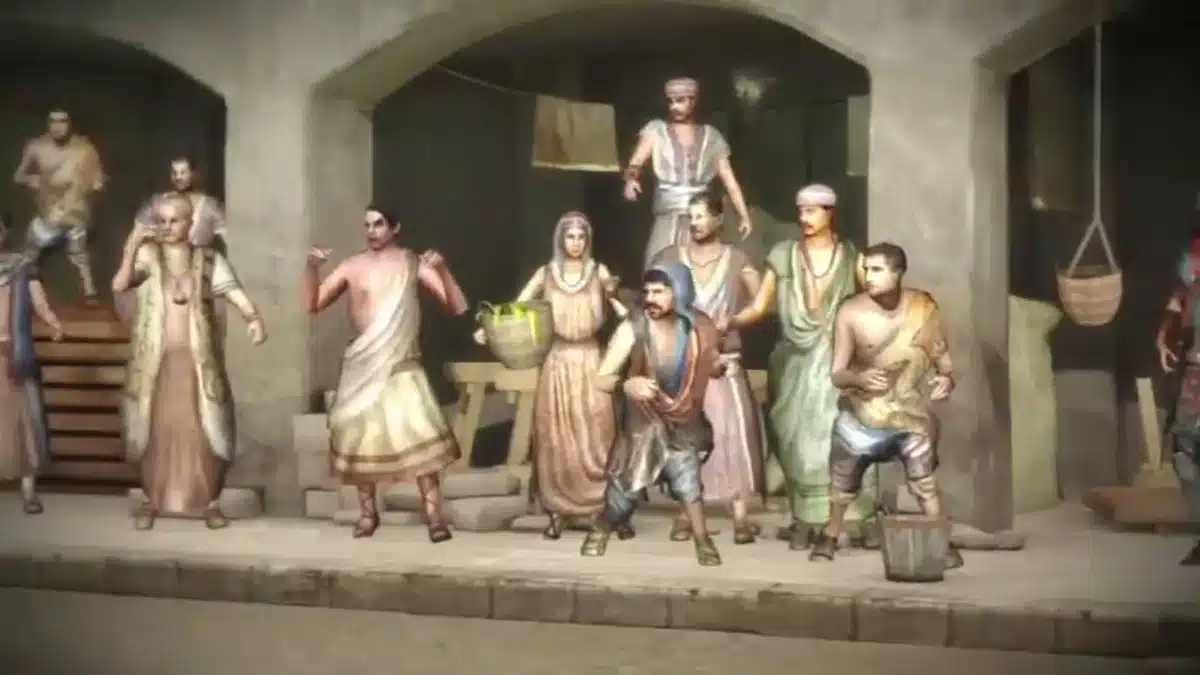
The arena crowd is more than background noise.
Performing well and fighting violently builds crowd favour, reinforcing the idea that these battles are entertainment as much as competition.
I particularly enjoyed watching the crowd meter increase during the more gruesome finishes.
It’s a relatively small detail, but it connects the violence directly with the setting. You’re not simply defeating another opponent. You’re performing for spectators who expect a spectacle.
Executions naturally fit that system.
The exaggerated violence is clearly intended to capture the tone of the Spartacus television series, and the crowd’s reaction makes successful finishes feel more satisfying.
This is one area where the licence and the game mechanics complement each other naturally.
The Free-to-Play Economy Goes Too Far
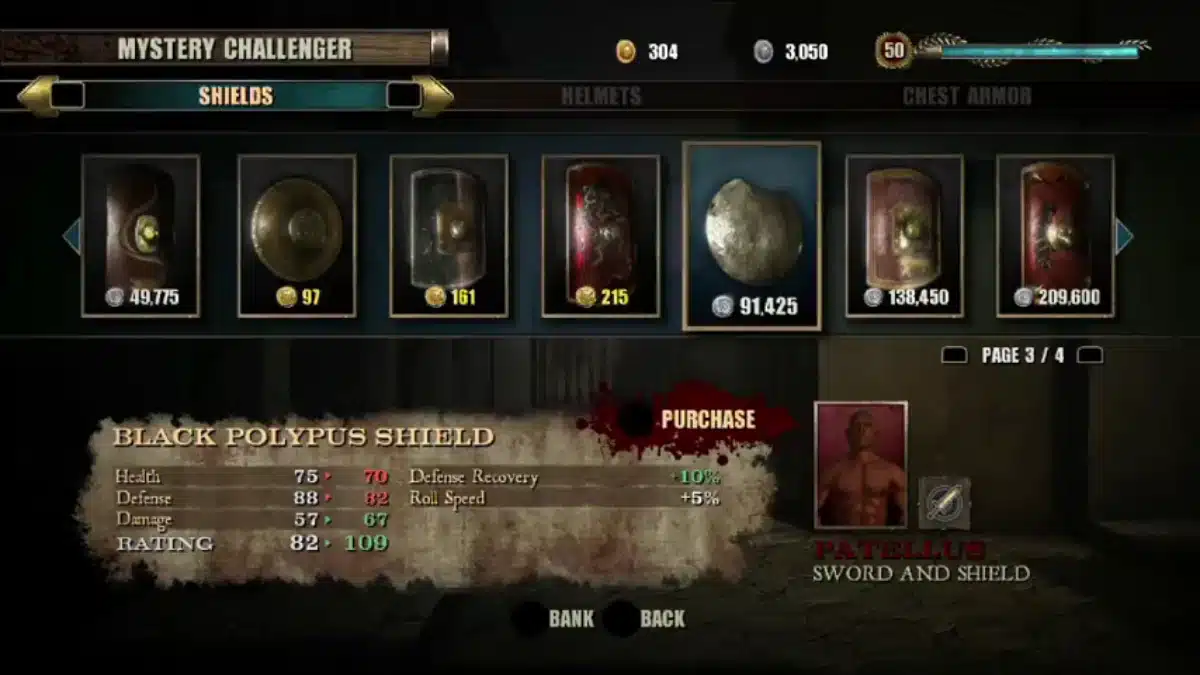
Spartacus Legends uses two main currencies.
Silver is earned through normal play and can be spent on gladiators and equipment. Gold is considerably scarcer and acts as the premium currency, although small quantities could also be earned through progression.
I found the monetisation extremely aggressive.
What bothered me wasn’t simply that items cost considerably more than I could comfortably earn through normal play. I was frustrated by being charged for basic functionality as well.
I remember earning a new perk during a fight and then discovering that applying the perk I’d already earned would cost me money.
I found that ridiculous.
I was even more frustrated when I realised that replacing equipment with items I already owned could also cost money.
That was the point where the freemium structure became especially difficult for me to tolerate.
There is an important difference between selling optional shortcuts and making routine interaction with progression feel monetised.
Spartacus Legends crossed that line for me.
Grinding Silver instead was technically an alternative in many situations, while Gold could also be accumulated slowly without purchasing it. But the economy was clearly designed to keep premium currency relevant.
The result was that I spent too much time thinking about currencies and costs when I wanted to be thinking about building better gladiators.
Online Battles Expanded the Arena
Spartacus Legends also allowed players to take their gladiators into online fights against other players.
That was a natural extension of the progression system because a developed gladiator could be tested against something less predictable than the CPU.
However, the game had an unusual requirement even by the standards of early console free-to-play titles.
A permanent internet connection was required to play Spartacus Legends, including its single-player progression. Losing the connection could therefore interrupt more than multiplayer.
That design decision would eventually have much bigger consequences for the game’s preservation.
PS3 Presentation and Technical Features
Spartacus Legends was distributed digitally on PlayStation 3 through PlayStation Network rather than receiving a conventional physical PS3 release.
Its presentation focuses heavily on the arenas, gladiators and violence. Weapon impacts, blood and executions provide much of the spectacle, while the crowd helps create the atmosphere surrounding each fight.
The visuals were functional rather than exceptional for a 2013 PS3 game, but the character damage and brutal finishing moves were more important to the experience than environmental detail.
I have not found sufficiently reliable technical evidence to assign an exact internal rendering resolution or frame-rate target to the PS3 version. Rather than infer those figures from the console’s video output or undocumented measurements, they are left unspecified here.
The PlayStation 3 edition was a digital free-to-play release whose permanent server requirement affected both its online features and its long-term playability. Its relevant platform characteristics include:
| PS3 Feature | Spartacus Legends |
|---|---|
| Platform | PlayStation 3 |
| Distribution | PlayStation Network |
| Business model | Free-to-play |
| Internal rendering resolution | Not reliably established |
| Frame-rate target | Not reliably established |
| Single-player progression | Supported while servers were operational |
| Online multiplayer | Supported while servers were operational |
| Internet connection | Required |
| Physical PS3 release | No |
| Current server status | Discontinued |
| Current playability | No longer playable through the original service |
The Server Shutdown Made the Entire Game Unplayable
The always-online requirement became Spartacus Legends’ biggest long-term problem.
Its servers were eventually shut down in December 2015.
For a conventional fighting game, that might have meant losing ranked matches, leaderboards and other multiplayer functionality while retaining the offline modes.
That isn’t what happened here.
Because Spartacus Legends required a connection to its servers to operate, their closure effectively ended access to the game itself. Even someone who still has the original PS3 download cannot simply return to the single-player progression as it existed in 2013.
That makes Spartacus Legends an interesting example of the preservation problems surrounding server-dependent games.
There were things I genuinely liked.
Experimenting with different weapon styles gave the gladiators some individuality. Building a Ludus was a good fit for the licence, and the crowd system made brutal finishes feel connected to the spectacle of the arena.
But neither of my two biggest problems was minor.
Combat offered more mechanics than I felt encouraged to use. When repeating an effective attack worked better than engaging with rolls, grabs, guard breaks and different offensive options, much of the potential depth disappeared.
The monetisation frustrated me even more.
Charging premium currency for desirable fighters or shortcuts was something I could at least understand within a free-to-play model. Feeling pressured to spend currency simply to use things I had already earned or owned was much harder to accept.
There was a more enjoyable gladiator game underneath those decisions.
I could see it whenever I changed weapons, developed another fighter or watched the crowd react to a particularly brutal victory. Unfortunately, Spartacus Legends too often put repetitive combat and its economy between me and those moments.
Its permanent shutdown now means the original experience exists primarily through memories, footage and contemporary accounts.
For me, those memories are mixed. Spartacus Legends had enough good ideas to keep me fighting, but far too many reasons to wonder why I was being discouraged from enjoying them.
Spartacus Legends Quick Facts
Developer
Kung Fu Factory
Publisher
Ubisoft
Reviewed platform
PlayStation 3
Release Date
25 June 2013
Genre
3D Fighting
Business model
Free-to-play
Distribution
PlayStation Network
Historical game modes
Single-player progression, online multiplayer
Current server status
Discontinued
Spartacus Legends
Spartacus Legends on PS3 is a brutal free-to-play gladiator game with solid ideas, but repetitive combat, aggressive monetisation and server dependence hold it back.
Product Brand: Ubisoft
6
Pros
- Gladiator roster system gives fighters useful individuality.
- Different weapon styles change range, speed and tactics in meaningful ways.
- Primus fights add structure and encourage roster variety.
- Crowd favour and brutal finishes fit the Spartacus licence well.
- The arena spectacle and execution system create a strong sense of theme.
Cons
- Combat often rewards repetition over experimentation.
- Free-to-play economy is overly aggressive and frustrating.
- Basic actions and progression feel unnecessarily monetised.
- Requires a permanent internet connection, even for progression.
- Server shutdown makes the original game effectively unplayable.