Key Highlights:
- Spider-Man 3 could expand Peter and Miles’ individual combat abilities rather than simply adding stronger attacks.
- Norman Osborn, Doctor Octopus and other unresolved characters offer opportunities for a more focused villain storyline.
- Miles Morales taking greater responsibility creates room for a new narrative centred on his decisions, relationships and independence.
Quick Links:
Insomniac’s Marvel’s Spider-Man 2 leaves five major opportunities for a potential third game: more distinctive combat, a focused villain storyline, greater responsibility for Miles Morales, deeper character development and a more purposeful connection to the wider Marvel universe.
The sequel brings Peter Parker and Miles together against Kraven the Hunter and Venom, but its ending also changes their responsibilities and introduces several unresolved threats. How Insomniac develops those foundations could determine whether another instalment feels like a genuine progression rather than simply a larger version of Spider-Man 2.
Major story spoilers for Marvel’s Spider-Man 2 follow.
1. Evolve Peter and Miles’ Combat Abilities
Combat in Marvel’s Spider-Man 3 could improve by making Peter Parker and Miles Morales feel more distinct rather than relying primarily on additional abilities and upgrades.
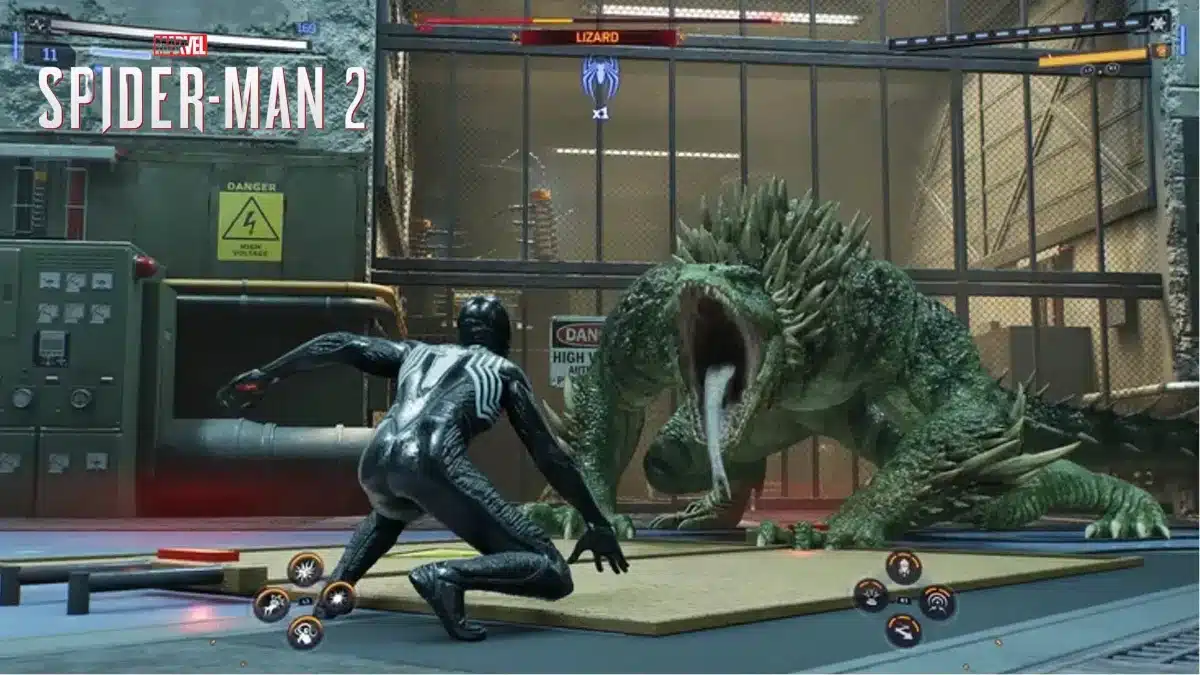
Spider-Man 2 already separates their fighting styles through Peter’s mechanical Spider-Arms and symbiote powers, while Miles uses his bioelectric Venom abilities, including the evolved blue electricity introduced in the sequel.
Insomniac explained these differences in its official gameplay breakdown, describing how each character receives unique skills alongside shared gadgets and upgrades.
The challenge for another game would be preserving those identities while introducing meaningful new combat decisions.
I would prioritise abilities that change how each Spider-Man approaches an encounter rather than simply increasing damage or adding more elaborate animations. Peter and Miles already share enough fundamental movement and combat mechanics that their individual strengths need to remain recognisable.

Enemy design is equally important. A wider range of attacks requiring specific counters, movement or ability combinations could make combat more demanding without relying on larger groups of enemies.
2. Give the Villains a More Focused Storyline
A third Spider-Man game would benefit from concentrating its main narrative around a smaller number of connected villains.
Spider-Man 2 places Kraven and Venom at the centre of its story while incorporating established enemies such as Mister Negative, Sandman and the Lizard. Several villains also appear during Kraven’s hunt, sometimes receiving considerably less attention than the two primary antagonists.
The sequel’s ending introduces particularly important possibilities involving Norman Osborn and Otto Octavius.
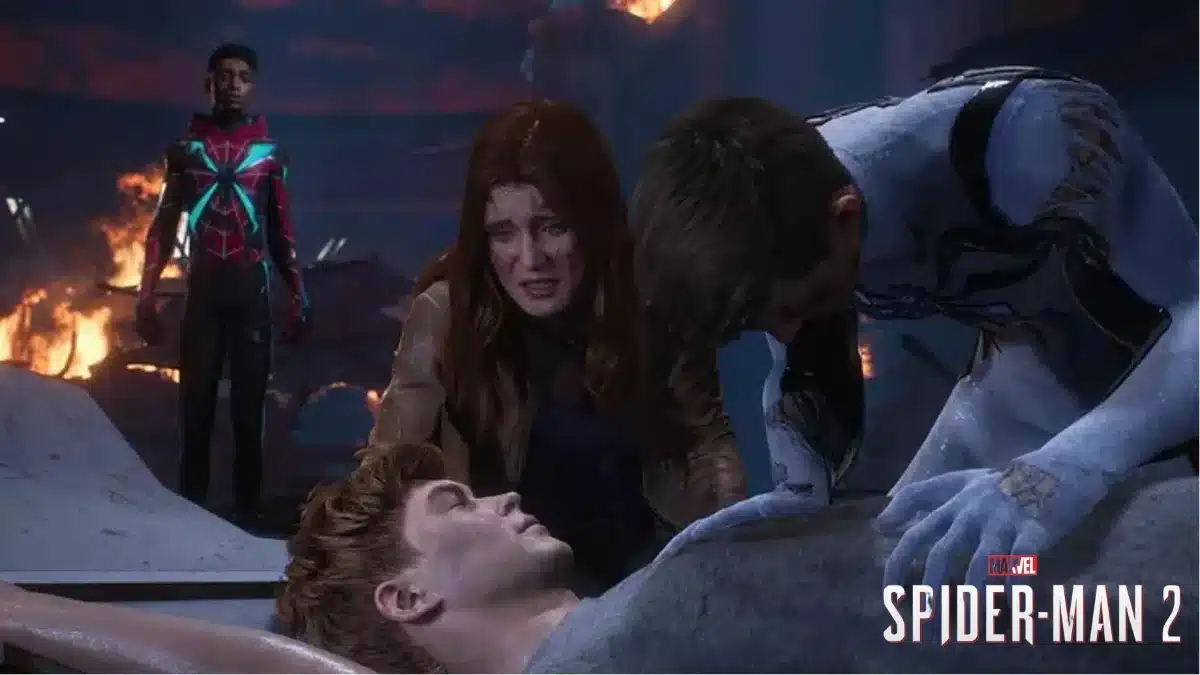
Harry Osborn survives the final confrontation with Venom but remains in a coma. Norman subsequently blames the Spider-Men for his son’s condition and orders the mysterious G-Serum to be prepared.
The mid-credits scene also shows Norman visiting Otto Octavius, who refuses to reveal the heroes’ identities and describes his unfinished work as the final chapter.
These developments are explored in our Spider-Man 2 ending and post-credits breakdown.
Both characters have established personal relationships with Peter, giving a potential continuation stronger emotional foundations than introducing an entirely new villain without previous connections.
However, the sequel also leaves other threats unresolved, including Chameleon and the symbiote associated with Cletus Kasady.
The next story does not need to place every surviving villain into its main campaign. Giving a smaller number of antagonists clear motivations and sufficient development would help prevent their individual stories from competing for attention.
3. Let Miles Morales Take the Lead
Miles Morales assuming greater responsibility for New York creates one of the clearest narrative directions for a potential Spider-Man 3.
At the end of Spider-Man 2, Peter decides to take a break from his superhero responsibilities to spend more time with Mary Jane and rebuild the Emily-May Foundation. Miles reassures him that he can protect the city while Peter focuses on his personal life.
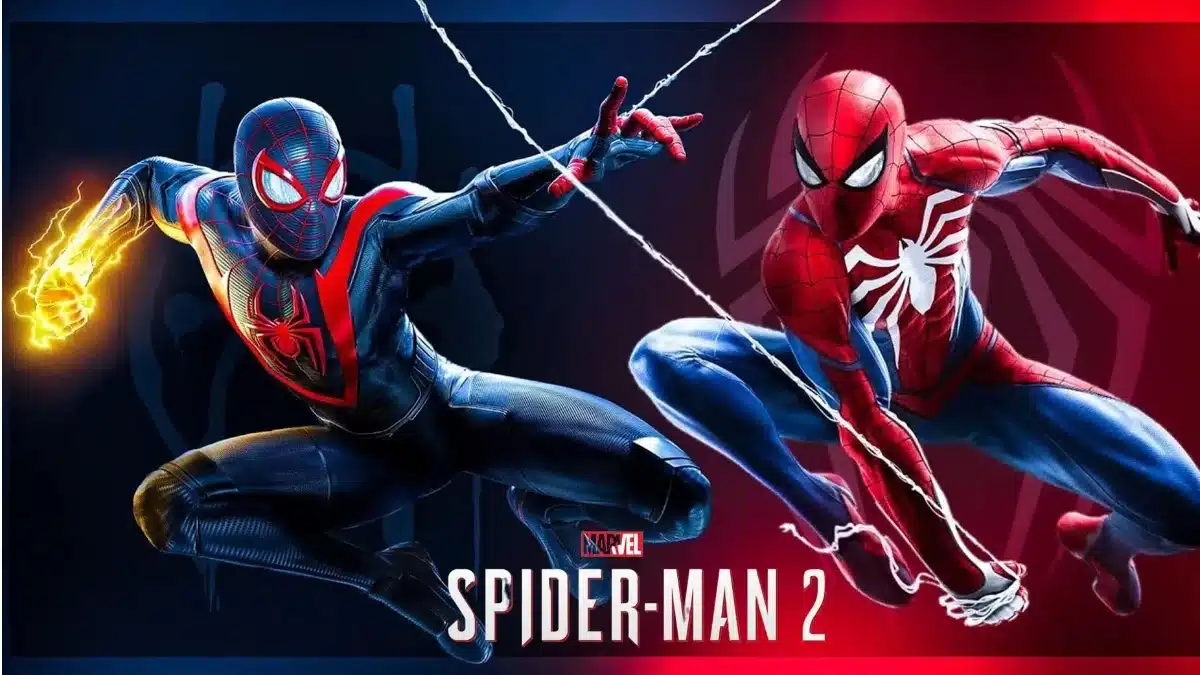
Even Insomniac’s writers confirmed Miles was taking the lead following the sequel’s ending.
That development does not mean Peter has permanently retired or that Miles has been confirmed as the sole playable protagonist of another game.
Instead, it creates an opportunity to explore what happens when Miles becomes responsible for more of the decisions previously shared with his mentor.
His story could move beyond proving that he is capable of being Spider-Man and explore how he handles the consequences of protecting New York independently.
Peter could remain involved without returning immediately to his previous role. Their relationship would become more interesting if Miles occasionally needed advice rather than constant intervention.
4. Develop the Characters Beyond Their Superhero Identities
Character development in Spider-Man 3 should continue to explore the relationships and personal responsibilities that exist outside each hero’s costume.
Spider-Man 2 gives Miles several important stories beyond his partnership with Peter.
His confrontation with Martin Li forces him to address the anger surrounding his father’s death. Rather than allowing revenge to define him, Miles eventually moves beyond his hatred and helps Li confront the consequences of his actions.
His relationship with Hailey Cooper, responsibilities at Brooklyn Visions Academy and involvement with Harlem’s cultural museum also establish connections to New York that do not depend on Peter Parker.
These stories provide a foundation for further development if Miles becomes the city’s primary protector.
Peter has equally important unresolved responsibilities. His decision to rebuild the Emily-May Foundation gives him a purpose beyond fighting criminals, while Harry Osborn’s condition remains a personal tragedy for both Peter and Norman.
A third game could explore those relationships without simply returning Peter and Miles to the same personal conflicts they have already overcome.
The strongest character moments in the series often come from decisions made outside combat. Preserving those smaller stories would help ensure that larger threats have consequences beyond the next boss fight.
5. Expand the Marvel Universe Without Forcing Crossovers
Marvel’s Spider-Man 3 could make greater use of Insomniac’s wider Marvel universe, but additional superhero appearances should serve the story rather than become an expectation.
Spider-Man 2 already contains numerous references to characters and organisations beyond Peter and Miles.
New York features landmarks associated with the Avengers, Daredevil and Fantastic Four, including the Baxter Building and references to Nelson & Murdock.
There is also a more direct connection outside the Spider-Man series.
Insomniac has confirmed that Marvel’s Wolverine shares the same Earth-1048 universe as its Spider-Man games.

That establishes a shared fictional setting, although it does not confirm that Wolverine or any other Marvel hero will appear in Spider-Man 3.
The important opportunity is to make New York feel like part of a larger world without undermining the stories of its two established protagonists.
A carefully developed appearance from another hero could introduce new relationships or complications. However, forcing a major crossover into an already crowded villain storyline could create the same narrative problems the next game should be trying to avoid.
Spider-Man 2 has already demonstrated that Peter and Miles can carry a substantial superhero story together. A third game would be better served by building on that foundation before expanding its cast further.
Ultimately, the most promising direction for Marvel’s Spider-Man 3 is not simply more characters, powers or villains. It is giving the established characters new responsibilities and ensuring those changes influence both the gameplay and the story.
Later update: Insomniac confirmed in October 2024 that no additional story content was planned for Marvel’s Spider-Man 2. The announcement meant the game’s unresolved character storylines would not receive further development through a planned story expansion.
Marvel’s Wolverine subsequently launched in September 2026 within the same Earth-1048 continuity, but neither Peter Parker nor Miles Morales appeared in the game. The shared universe therefore remains separate from any confirmed crossover plans.
As of October 2026, Insomniac and PlayStation have not officially announced Marvel’s Spider-Man 3, its playable characters, villains or release date. The five areas discussed here remain editorial recommendations based on Spider-Man 2 rather than confirmed features of another instalment.