Six endings, six possible futures, and one final decision that could change the Lands Between forever.
Spoiler notice: This article discusses the lore and broad consequences of all six Elden Ring endings without describing their final cinematics in detail.
Quick Links:
Every Tarnished begins their journey through Elden Ring with a seemingly straightforward purpose: follow the guidance of Grace, overcome the demigods and become Elden Lord. However, beneath the battles and ruins of a once-powerful kingdom lies a much greater question.
What kind of world deserves to exist when the fighting is finally over?
The Lands Between has been shaped by the ambitions of gods, the consequences of betrayal and a Golden Order that has already fallen apart. Yet not everyone believes restoring what was lost is the answer.
For Ranni, the future lies beyond the immediate influence of the existing divine system. Goldmask believes the problem is rooted within the gods themselves, while the terrifying Dung Eater envisions something far more disturbing.
During my first playthrough, I never intended to pursue Ranni’s ending. I was simply drawn to her mysterious personality and wanted to understand her story. As I continued following her questline, I became increasingly invested in the characters surrounding her. Before I knew it, my curiosity had led me towards the Age of Stars.
It wasn’t the ending I had originally planned. In fact, I hadn’t planned an ending at all.
That experience made me appreciate how Elden Ring allows the stories we choose to follow to influence the future we eventually create.
How Many Endings Does Elden Ring Have?
Elden Ring has six endings, each representing a different possible future for the Lands Between.
Four involve becoming Elden Lord and either restoring or modifying Order. The remaining two move away from that traditional outcome, following the visions of Ranni or the Frenzied Flame.
Although the final decision comes towards the end of the game, the characters and beliefs associated with each outcome are introduced throughout the journey.
| Ending | What it represents |
|---|---|
| Age of Fracture | Restoring the Elden Ring without introducing a new principle. |
| Age of Stars | Ranni’s vision of a distant Order. |
| Age of the Duskborn | Giving life within death a place in Order. |
| Age of Order | Correcting the instability of the Golden Order. |
| Blessing of Despair | Making the Fell Curse part of the world’s future. |
| Lord of Frenzied Flame | Rejecting the continuation of the divided world. |
None provides a detailed account of everyday life after the Tarnished’s decision. Instead, each presents a different vision, leaving players to consider the consequences.
What Does the Age of Fracture Ending Mean?
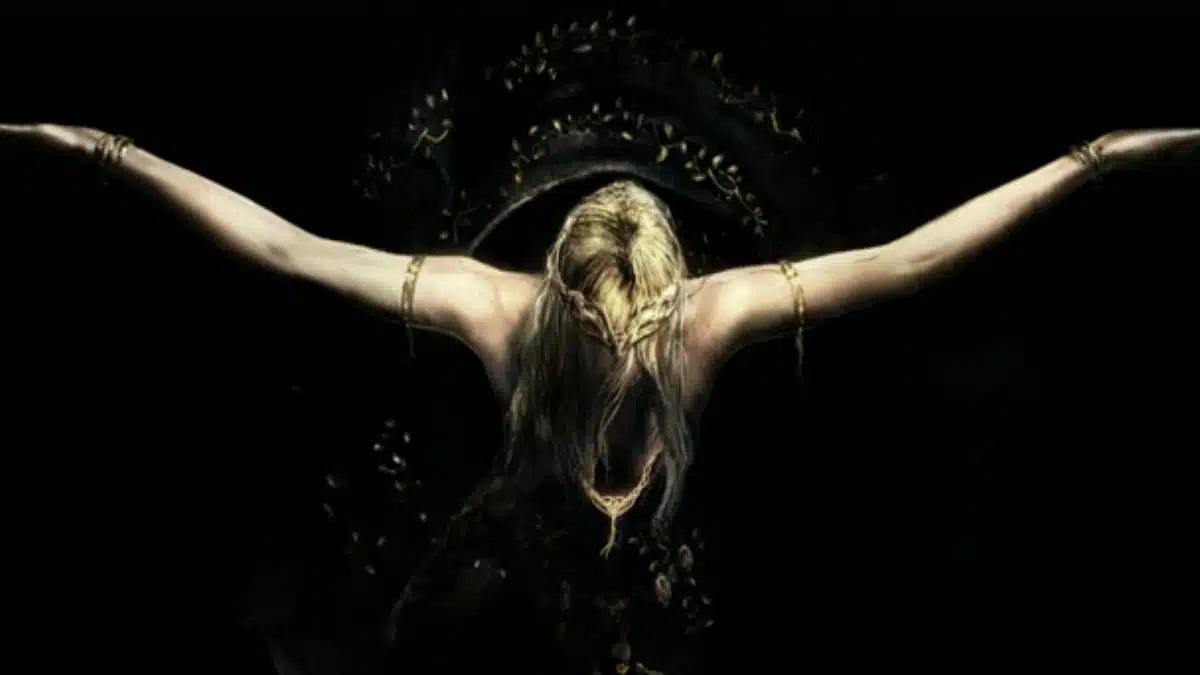
The Age of Fracture is the most direct continuation of the Tarnished’s original ambition. The Elden Ring is repaired, and the Tarnished takes the position of Elden Lord without incorporating one of the alternative Mending Runes.
However, repairing the Elden Ring does not necessarily resolve the problems that led to the Shattering.
The Golden Order was established under Queen Marika, whose reign helped shape the laws and beliefs governing the Lands Between. Her connection to Radagon also reveals that the very foundations of divine authority are far more complicated than they first appear.
The world that emerged under this Order was anything but peaceful. Conflict, persecution and the ambitions of powerful figures eventually contributed to its collapse.
There is also the legacy of Godfrey, the first Elden Lord, whose rise and eventual exile demonstrate how even those entrusted with tremendous power can become expendable.
Although the Elden Ring is restored, nothing explicitly establishes that the divisions and injustices of the previous age have disappeared.
The Age of Fracture therefore represents continuity rather than guaranteed progress. The Tarnished inherits not only the title of Elden Lord but also the consequences of a system that has already failed once.
What Does the Age of Stars Ending Mean?
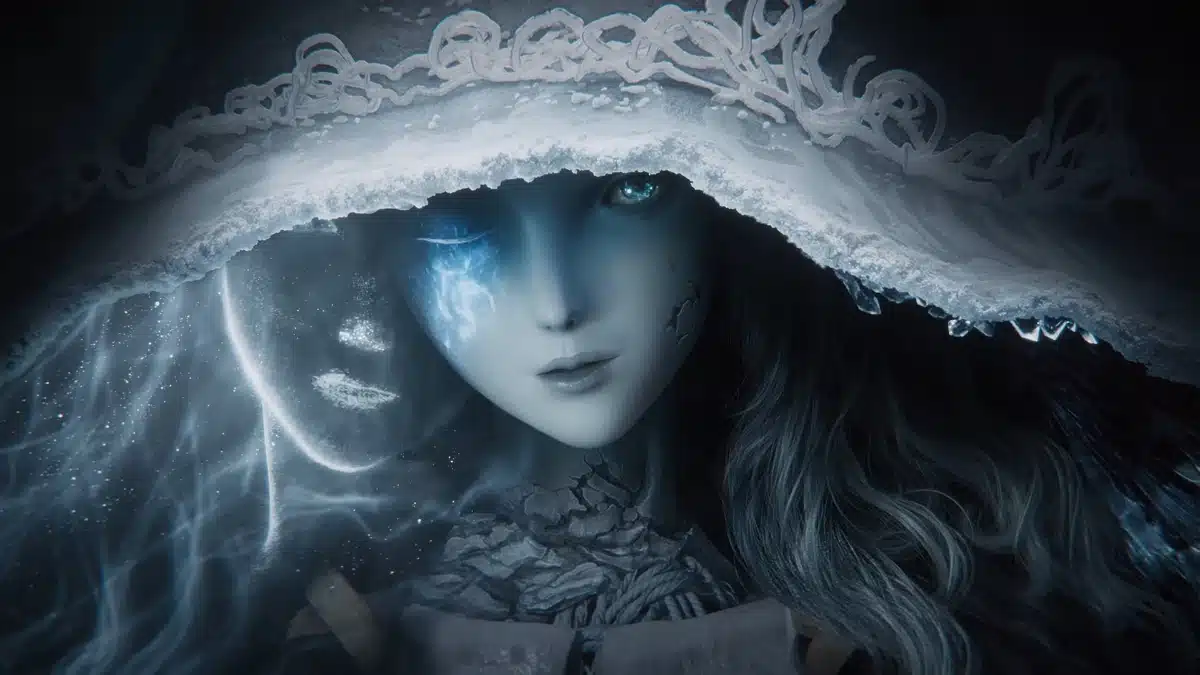
The Age of Stars follows Ranni’s determination to escape the fate chosen for her and establish a different relationship between Order and the Lands Between.
As an Empyrean, Ranni was a potential successor to Queen Marika, but she refused to accept the future associated with the Two Fingers.
Her rebellion is closely connected to the Night of the Black Knives, one of the most significant events preceding the Shattering.
Yet Ranni’s story is about more than defying destiny.
Throughout her questline, the Tarnished encounters those who have devoted themselves to her cause. Blaidd, her loyal shadow, and War Counselor Iji, her trusted adviser, both reveal the personal consequences of supporting her ambitions.
Meanwhile, Starscourge Radahn’s ability to hold back the stars becomes significant to the fate Ranni seeks to fulfil.
What distinguishes the Age of Stars from the restoration of the Golden Order is Ranni’s intention to place her new Order beyond the immediate reach and perception of those living in the Lands Between.
Rather than allowing divine authority to remain a visible, tangible influence over everyday life, she seeks to distance that authority from the world it governs.
This does not necessarily mean abandoning the Lands Between to chaos. The English and Japanese versions of her dialogue have prompted differing interpretations, but her stated desire to separate Order from direct human experience remains central to understanding her vision.
For me, Ranni’s ending has always been the most personal.
I didn’t initially understand the full implications of her plans, nor was I making a calculated decision about which divine system would be best for the world.
I simply wanted to know more about her.
The mystery surrounding Ranni, the loyalty of those who followed her and the gradual revelation of her ambitions made the questline one I genuinely wanted to complete.
By the time I understood where it was leading, I had already become invested in her future.
Whether the Age of Stars represents liberation, uncertainty or a combination of both remains open to interpretation. What is clear is that Ranni refuses to let others determine her destiny.
What Does the Age of the Duskborn Ending Mean?
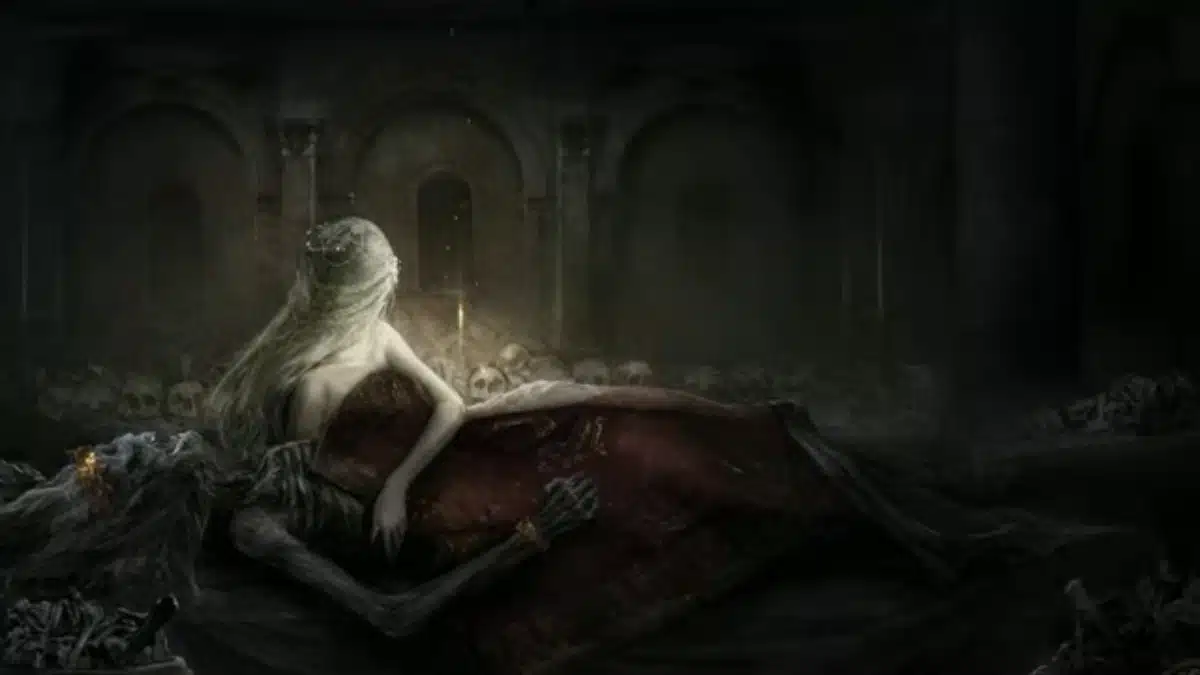
Death is one of the most unsettling subjects in Elden Ring, particularly because the Golden Order fundamentally altered its place within existence.
The Golden Order was established by confining Destined Death, changing how mortality and the world’s governing principles were connected.
Yet the removal of Destined Death did not prevent tragedy.
Godwyn the Golden became central to one of the most disturbing consequences of this altered world.
During the Night of the Black Knives, Godwyn’s soul was killed while his body survived, leaving behind an unnatural existence closely connected to the emergence of Those Who Live in Death.
These beings are persecuted by followers of the Golden Order, including hunters associated with figures such as D, who regard their existence as something that must be eradicated.
However, Fia, the Deathbed Companion, presents a different understanding.
Rather than treating life within death as an abomination, Fia’s Mending Rune of the Death-Prince would incorporate that principle into Order itself.
The rune also describes this change as a restoration of Death, although the precise consequences for the world’s inhabitants are not fully shown.
The Age of the Duskborn challenges the Golden Order’s rejection of those whose existence falls outside its accepted laws.
Fia’s vision does not erase the tragedy surrounding Godwyn, but it offers a future in which life within death is no longer excluded from the principles governing the world.
What Does the Age of Order Ending Mean?
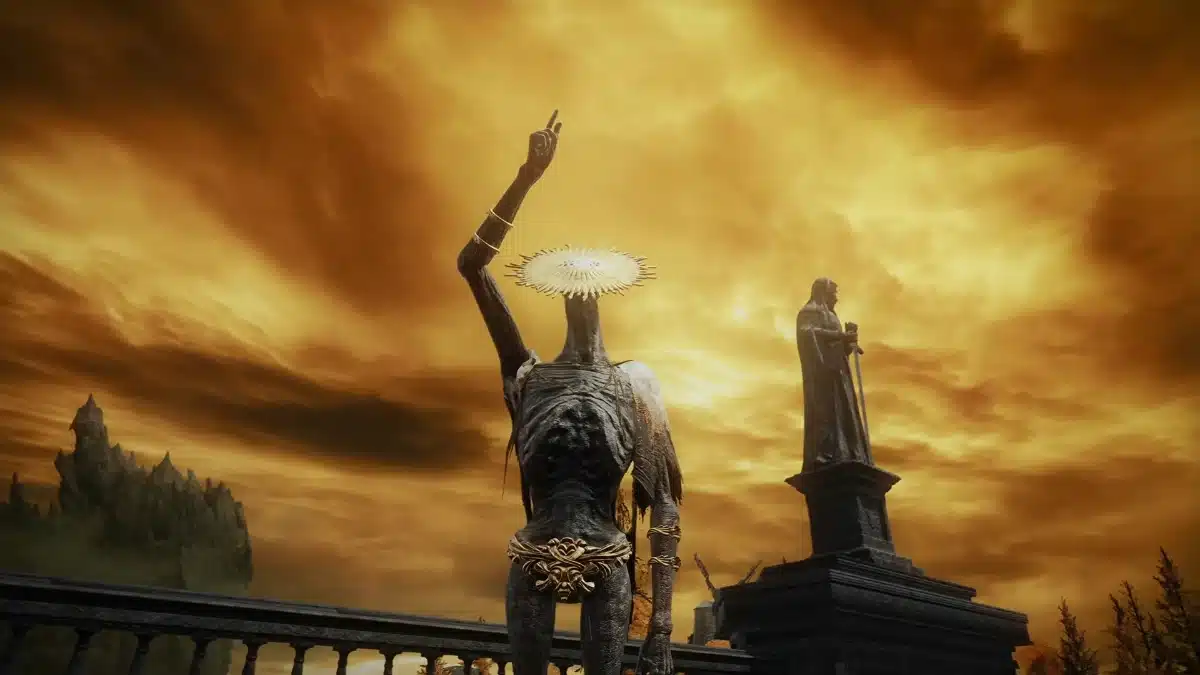
Of all the possible endings, the Age of Order is particularly intriguing because its central figure is so easy to overlook.
Goldmask is a largely silent scholar whose investigations into the Golden Order reveal a surprisingly profound criticism of the world.
Alongside Brother Corhyn, he seeks to understand the principles governing existence and the contradictions hidden within them.
His investigations eventually uncover a fundamental problem with the Golden Order: the instability caused by the gods responsible for maintaining it.
Despite possessing extraordinary power, divine beings remain capable of inconsistency, conflicting ambitions and decisions shaped by their own desires.
Goldmask’s Mending Rune of Perfect Order attempts to correct this flaw by establishing an Order no longer vulnerable to the same divine instability.
What makes his vision particularly interesting is that Goldmask is not rejecting Order itself.
Instead, he questions whether those entrusted with governing it should have the power to undermine its principles.
His discoveries also connect to one of the game’s most significant revelations concerning Queen Marika and Radagon, whose identities challenge the assumptions upon which the Golden Order was built.
There is something fascinating about a character who speaks so little yet reaches such an important conclusion about the world’s failures.
I barely encountered Goldmask during some of my own playthroughs. Despite spending hundreds of hours exploring the Lands Between, his story remained largely unknown to me.
It was only after learning more about the different endings that I became interested in what he had discovered.
In fact, the Age of Order is now the ending I most want to experience next.
Where Ranni drew me into her story through mystery and personal curiosity, Goldmask has captured my attention through the questions his beliefs raise.
His proposed solution seems to promise stability without the unpredictable interference of gods, although the game does not fully establish what everyday life under such a perfected Order would involve.
For a character who can so easily go unnoticed, Goldmask offers one of the most significant challenges to how power operates in the Lands Between.
What Does the Blessing of Despair Ending Mean?
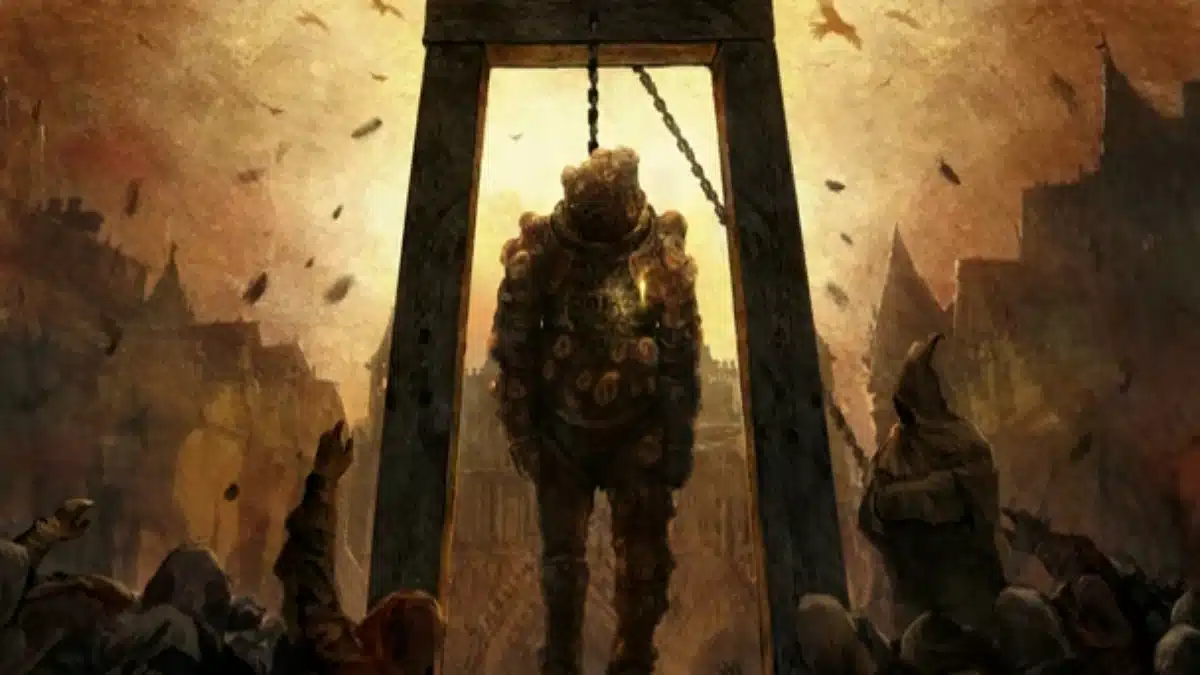
The Blessing of Despair offers one of the darkest possible futures for the Lands Between.
Its central figure, Dung Eater, is feared for his acts of defilement and his obsession with the Seedbed Curse.
Unlike those seeking to repair the Golden Order or establish a new relationship with divine authority, Dung Eater aims to make his curse an unavoidable part of future generations.
His Mending Rune of the Fell Curse would incorporate this defilement into Order itself.
The reasoning behind his ambition is disturbing. If everyone is cursed, the curse would no longer distinguish one group from another.
There is a twisted form of equality within this philosophy, but it is achieved through suffering rather than compassion.
Having followed his questline during my partners playthrough, I found the implications of this ending particularly uncomfortable.
Unlike characters who believe they can save or improve the world, Dung Eater seeks to spread the suffering he inflicts until it becomes inseparable from existence.
His story also invites comparisons with the persecution of the Omen and the way the Golden Order treats those considered impure.
However, the connection between his curse and the Omen does not mean they are identical, nor does it justify his actions.
The Blessing of Despair takes the idea of ending discrimination to a horrifying extreme. Rather than removing the cause of suffering, Dung Eater seeks to make everyone subject to it.
His vision would not free future generations from the cruelty of the past. It would make that cruelty part of their inheritance.
What Does the Lord of Frenzied Flame Ending Mean?
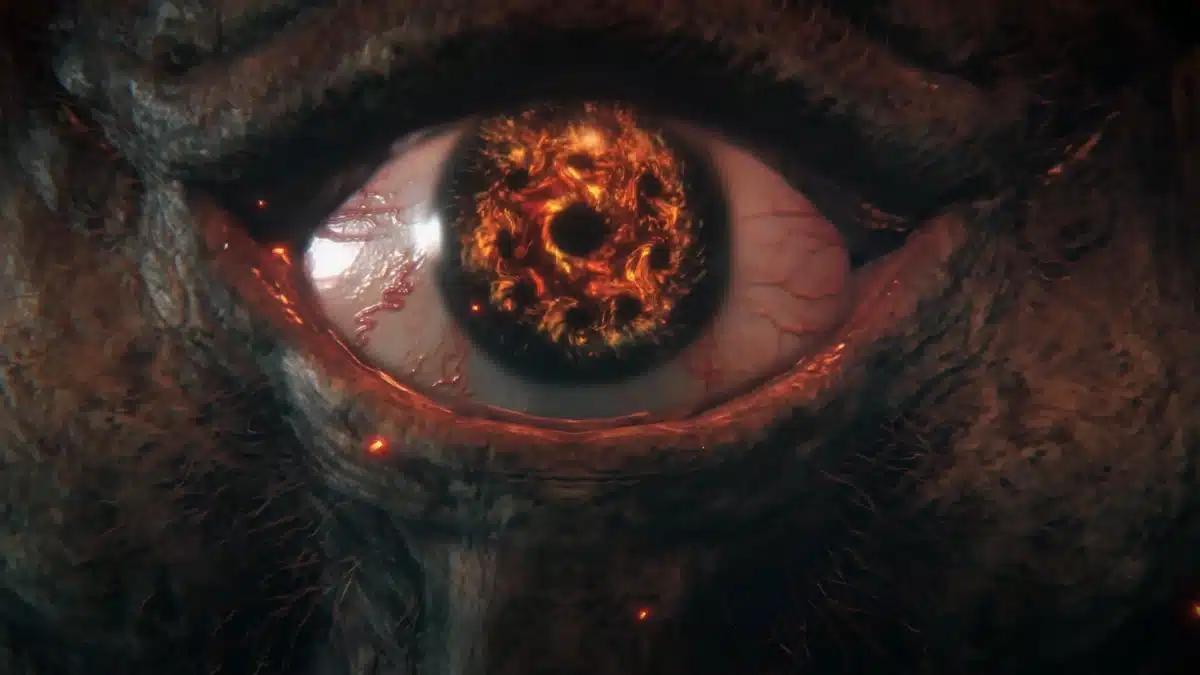
The Lord of Frenzied Flame represents the most radical rejection of the existing world.
Where other endings seek to repair or replace Order, the Frenzied Flame questions whether existence in its divided form should continue at all.
Its philosophy is associated with the Three Fingers and the belief that division gave rise to suffering, mistakes and despair.
Through characters such as Shabriri and Hyetta, players encounter a disturbing argument that the world could be freed from suffering by ending the divisions that make individual existence possible.
However, this would not simply create a world without conflict.
It would mean destroying the life, individuality and possibility that currently exist within it.
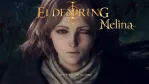
Melina, whose role in the Tarnished’s journey is closely connected to the Erdtree and the future of the Lands Between, strongly opposes this outcome.
Her objections are particularly significant because they challenge the promise at the heart of the Frenzied Flame.
Even in a broken world, life continues to produce new possibilities. Ending existence would remove suffering, but it would also remove everything that makes life worth protecting.
The Frenzied Flame offers no repaired kingdom, perfected laws or distant divine Order.
Its answer to the failures of the Lands Between is to ensure that nothing remains to inherit them.
This ending also to me, seems like one that does take a while to do. The questline is long but you get to see a lot of the Lands Between and lore regarding different NPCs during it.
Can the Frenzied Flame Be Reversed? Yes. But you do start a new adventure to do so.
Unlike the other five endings, inheriting the Frenzied Flame binds the Tarnished to a particular fate unless its influence is removed.
However, Miquella’s unalloyed gold offers an extraordinary exception. Created to resist the interference of Outer Gods, Miquella’s Needle can suppress the Frenzied Flame and restore the possibility of choosing another future.
The process connects several seemingly separate stories, including Millicent’s struggle with Scarlet Rot and Malenia’s fate within the Haligtree.
While Malenia is an optional boss for every ending, defeating her becomes necessary for players seeking to escape the Frenzied Flame’s influence through Miquella’s Needle.
This makes the Frenzied Flame unique among the six endings. The other paths leave the Tarnished free to decide their fate until the final choice, while the Frenzied Flame requires a significant journey to reclaim that freedom.
| Ending | Can you change your mind? |
|---|---|
| Age of Fracture | Yes, before choosing your final ending. |
| Age of Stars | Yes, Ranni’s quest doesn’t lock you in. |
| Age of the Duskborn | Yes, Fia’s Mending Rune is optional. |
| Age of Order | Yes, Goldmask’s Mending Rune is optional. |
| Blessing of Despair | Yes, Dung Eater’s Mending Rune is optional. |
| Lord of Frenzied Flame | Only by removing the Frenzied Flame with Miquella’s Needle. |
Can You Get Locked Out of Elden Ring Endings?
Although Elden Ring allows players to pursue several potential endings during one playthrough, certain decisions can permanently remove those possibilities.
Progressing too far through the main story without completing important character questlines can make particular endings unavailable. Goldmask’s Age of Order is one example, as his discoveries must be progressed before major changes to Leyndell prevent further investigation.
The fate of Dung Eater can also affect access to the Blessing of Despair, while failing to complete Ranni’s or Fia’s stories means their respective endings will not become available.
The Frenzied Flame is different. Accepting its influence overrides the other endings, regardless of which Mending Runes the Tarnished possesses. However, Miquella’s Needle offers a way to remove that influence, reconnecting the stories of Malenia, Millicent and Miquella.
Removing the Frenzied Flame restores access to other eligible endings, but permanently closes the Frenzied Flame path for that playthrough.
These consequences make the characters encountered throughout the Lands Between particularly important. A seemingly minor interaction, an unfinished story or a decision made long before the final battle can determine which futures remain possible.
Which Elden Ring Ending Is the Best Choice?
There is no single ending that every player will consider the best outcome for the Lands Between.
Each presents a different response to a world shaped by broken systems and the ambitions of those who once controlled them.
The Age of Fracture offers continuity, while the Age of Order seeks stability through a perfected system. The Age of the Duskborn challenges the rejection of life within death, and the Age of Stars proposes a future where divine Order is kept at a greater distance.
The Blessing of Despair and Lord of Frenzied Flame offer far more destructive answers to the world’s suffering.
However, the appeal of an ending is not always determined by which philosophy seems most convincing.
Sometimes, it is the characters who make the decision meaningful.
I chose Ranni’s ending because I became invested in her story long before I understood the full implications of her vision.
Now, having explored more of the lore, I find myself drawn towards Goldmask, a character I previously knew very little about.
That is something I particularly appreciate about Elden Ring. Even after hundreds of hours, there are still stories capable of changing how I view the Lands Between.
The endings are not simply rewards for reaching the end of a difficult journey. They are the culmination of the people we choose to trust, the beliefs we encounter and the future we ultimately decide to support.