

Key Highlights:
- Maxis was preparing SimCity for a March 2013 PC release with a new simulation engine and connected multiplayer features.
- The reboot required a persistent internet connection at launch, including when players wanted to build cities alone.
- SimCity suffered major server problems after release before eventually receiving an offline single-player mode in March 2014.
Maxis was preparing SimCity for release in March 2013, bringing the city-building series back with a new simulation engine, online multiplayer and interconnected regions.
Published by Electronic Arts, the reboot was developed by Maxis using its new GlassBox engine. The technology was designed to simulate individual elements within a city, including residents, traffic, resources and utilities, rather than relying entirely on broader statistical models.
Audio was also designed to respond dynamically to activity within the city. Sounds changed according to what was happening in the simulation and what the player was viewing, adding another layer of feedback as cities developed.
Multiplayer represented one of the biggest changes. Players could build separate cities within shared regions, allowing neighbouring cities to influence each other through factors such as resources, pollution and employment.
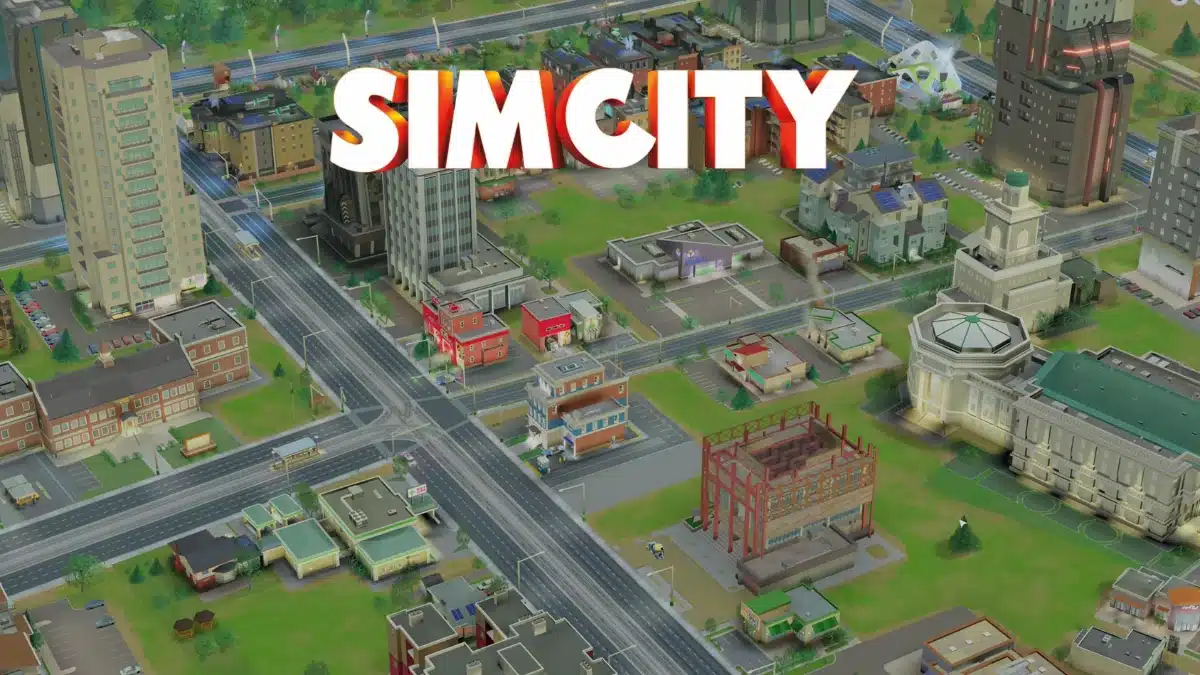
The connected design came with a significant requirement. SimCity needed a persistent internet connection at launch, even when playing alone, with players connecting through EA’s Origin service.
At the time, Maxis was targeting a 5 March 2013 release in North America, with the UK version scheduled for 8 March. The game was initially released for Windows PC, while a Mac version followed later in 2013.
SimCity’s reliance on online connectivity subsequently became one of the defining issues surrounding its launch. Heavy demand overwhelmed EA’s servers after the North American release, leaving some players unable to connect or experiencing lengthy queues and other stability problems.
EA responded by expanding server capacity and temporarily disabling some non-essential features while Maxis worked to stabilise the game. The publisher also offered affected players a free PC game following the troubled launch.
The online requirement did not remain permanent. Maxis released Update 10 in March 2014, adding a Single-Player Mode that allowed SimCity to be played offline and saved locally.
The change arrived almost a year after release and gave players a choice between the connected multiplayer experience originally envisioned by Maxis and a traditional offline approach to building their cities.