Key Highlights:
- Loftia aims to offer more than traditional cosy gameplay, allowing players to restore environments, develop neighbourhoods and contribute to an evolving multiplayer world.
- Three regions will feature in Early Access: Loftia City, the Hanging Gardens and the Gridfall, with an emphasis on shared progression and exploration.
- Loftia raised over $1.27 million on Kickstarter, attracting 16,740 backers and exceeding its original $150,000 funding goal.
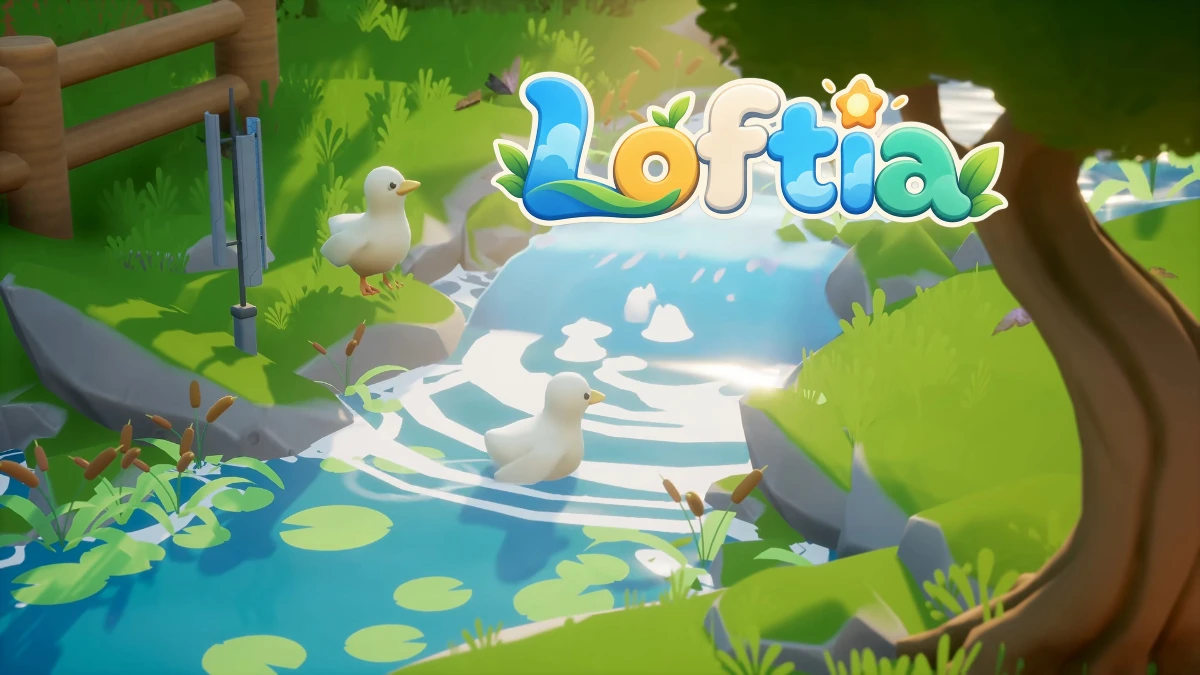
Loftia, the upcoming solarpunk MMO from Australian developer Qloud Games, raised an impressive $1.27 million through it’s Loftia Kickstarter, attracting 16,740 backers to a project initially seeking just $150,000. Now, more than three years after that campaign, the cosy multiplayer adventure is preparing to enter Early Access on 3 November 2026.
With farming, character customisation, animal companions, exploration and an interconnected world, Loftia promises considerably more than another relaxing life simulator.
However, what makes this particular game interesting is not simply how many activities it offers. It is the ambition to combine the comforting familiarity of cosy gaming with the scale and community-driven progression of an MMO.
Launched in August 2023, Loftia’s Kickstarter campaign reached approximately 848% of its original funding goal in just 30 days.
For a game built around cooperation rather than competition, the figures are remarkable.
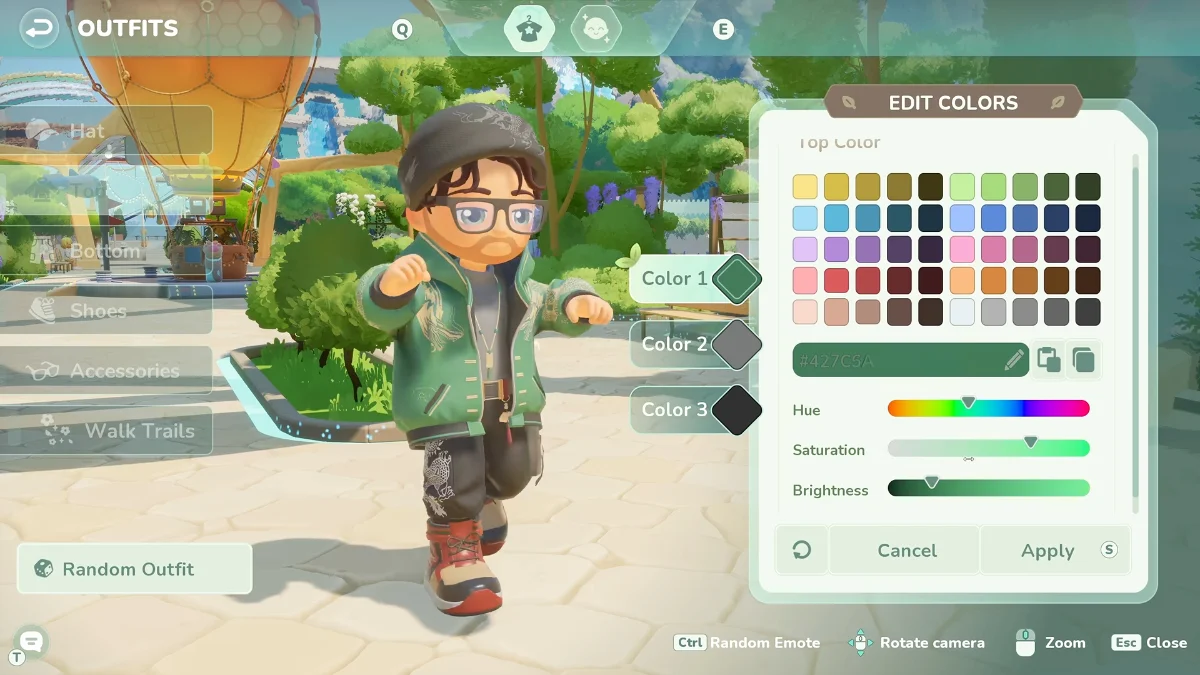
The campaign introduced a colourful world where players could establish homes, participate in sustainable farming, explore floating islands and work together to restore their environment.
Its solarpunk setting offered an alternative to the survival-focused or combat-heavy worlds often associated with multiplayer games.
The funding success demonstrated substantial early interest in that concept. Thousands of backers were willing to support a world where progression would involve not only developing individual characters but also contributing to something larger.
Of course, crowdfunding success does not automatically translate into an equally successful game. Loftia now faces the challenge of delivering the experience that attracted its community in the first place.
Farming, fishing, crafting and decorating are familiar features for anyone who regularly plays cosy games. The genre has no shortage of titles offering an escape into a peaceful environment.
What matters is how those activities connect.
A beautiful world can make an excellent first impression, but meaningful progression, memorable characters and opportunities to explore are what encourage players to remain invested.
Loftia appears to recognise this distinction.
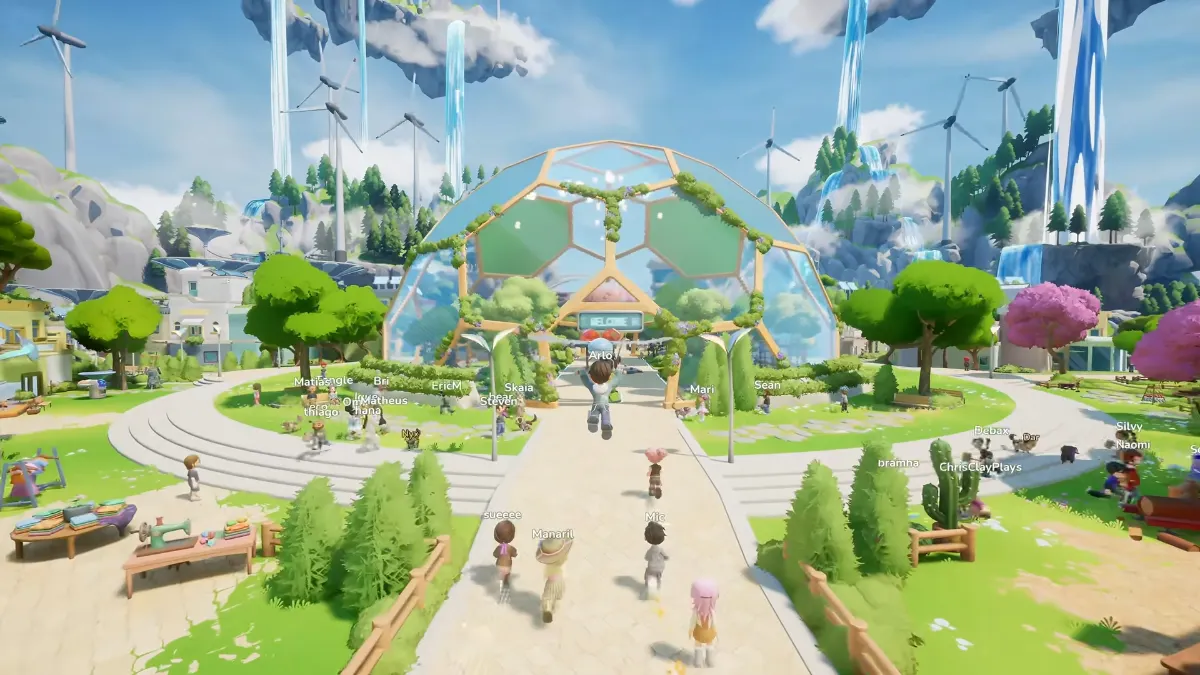
Players will be able to create their own floating islands, decorate homes and connect their personal spaces into shared neighbourhoods.
The farming mechanics also move beyond traditional crop cultivation, incorporating hydroponics, aquaponics and renewable energy systems. These features are designed to support Loftia’s wider theme of building a more sustainable future.
Having spent thousands of hours across games such as Coral Island, Palia, Stardew Valley, Disney Dreamlight Valley, Solarpunk and the My Time series, I’ve come to appreciate that cosy gaming is about considerably more than farming, fishing and decorating.
Each of these games approaches the genre differently, but the ones that keep me invested are those that offer a genuine sense of progression.
Whether that’s developing relationships with memorable characters, restoring a neglected town or discovering somewhere entirely new, there needs to be something beyond the daily routine that makes me want to return.
Games such as Moonfrost have already shown me how satisfying rebuilding a neglected environment can be, particularly when that progression gives players a reason to keep returning.
That is where Loftia has caught my attention.
Its combination of personal progression and a shared, evolving world suggests there could be more to discover than the usual cycle of collecting resources and improving a home.
Animal companions add another familiar cosy element, with players able to rescue and adopt creatures, including capybaras and turtles.
Yet the most interesting element may be what happens beyond the comfort of home.
Exploration is where Loftia has the potential to distinguish itself from traditional farming and decorating simulators.
Players will be able to venture beyond the main city, explore abandoned factories, gather resources and complete puzzles alongside others.
Community projects will also allow players to contribute towards unlocking resources, discovering stories and opening additional islands.
For players who enjoy gradually rebuilding an environment, that sense of visible progress could become particularly rewarding.
There is something satisfying about watching a neglected area develop into a thriving space through your own efforts. Loftia’s multiplayer approach introduces the possibility of experiencing that transformation collectively.
However, it also raises an important question.
Can Loftia provide enough individual progression for players who prefer exploring at their own pace, while still rewarding those who want a more social experience?
The balance between these two styles of play could be an important factor in its long-term appeal.
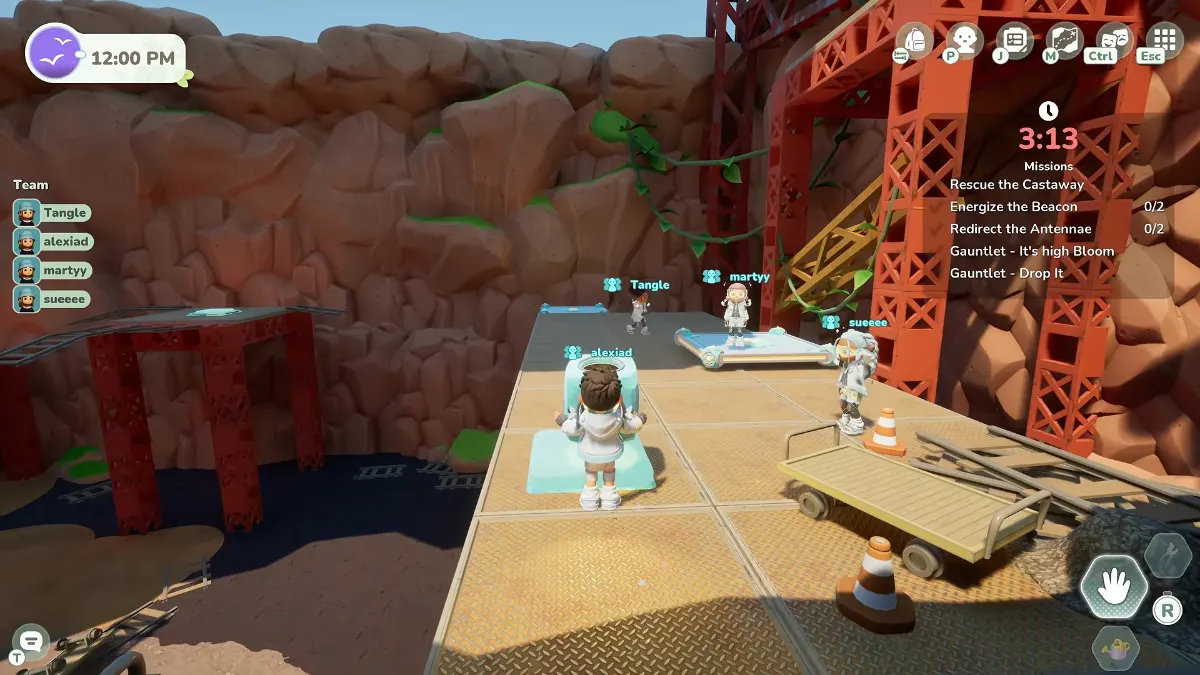
Qloud Games has confirmed that Early Access will introduce a storyline covering three major regions: Loftia City, the Hanging Gardens and the Gridfall.
Of the three announced regions, the Hanging Gardens particularly intrigue me. I’ve always been drawn to environments that reward exploration, especially when a game offers something unexpected beyond its main town or starting area.
While Qloud Games has yet to reveal everything these regions will contain, I’m interested to see whether the Hanging Gardens will offer distinctive characters, environmental storytelling or discoveries that make exploring feel worthwhile.
It’s often these smaller details that turn an attractive setting into a memorable one, and I’m hoping Loftia gives players plenty of reasons to venture beyond their own floating islands.
Players will be able to develop skills, earn perks, collect cosmetics and customise their personal islands.
Community farming activities and adventure islands will also be included, creating opportunities to engage with other players outside the main storyline.
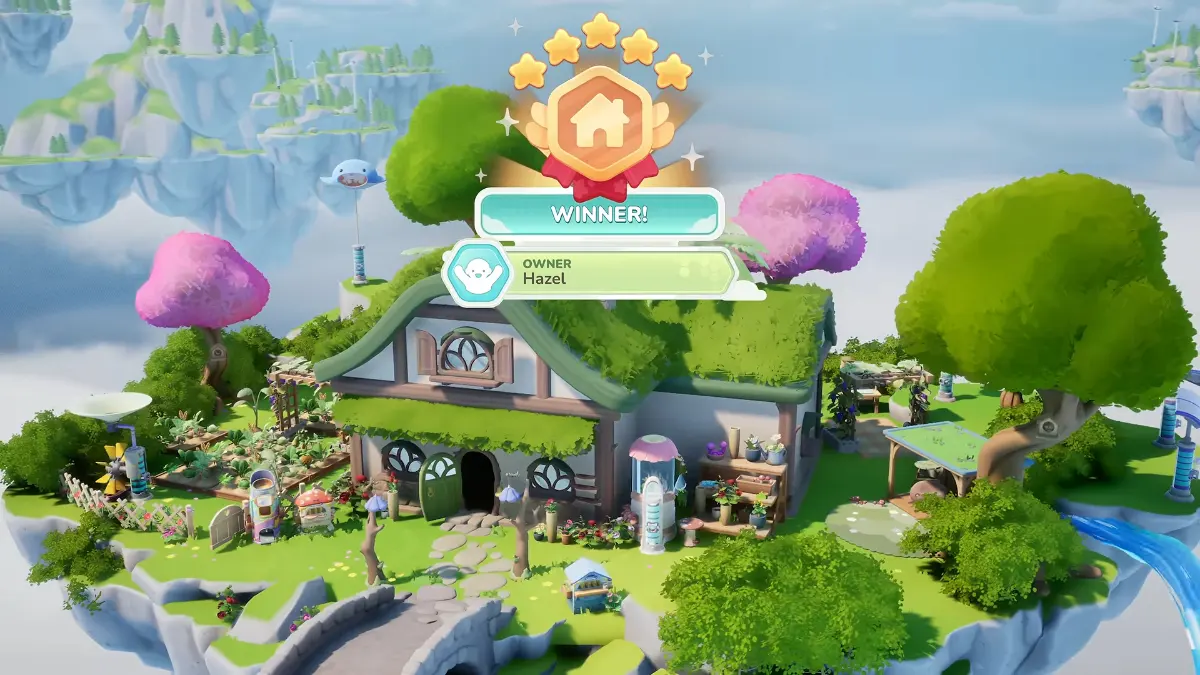
The developers currently expect Early Access to last approximately one year, although the eventual full release will depend on development progress and community feedback.
Future plans include player markets, clubs and a Study Cafe, alongside additional areas and stories.
With such an extensive range of planned features, the question will be whether each system feels meaningful rather than simply adding another activity to an already crowded list.
Players will have an opportunity to explore Loftia before Early Access through a free, limited-time demo during Steam Next Fest, running from 19–26 October 2026.
The demo will introduce the opening Loftia City questline, character interactions, farming, resource gathering and home decoration.
Players can also participate in group adventures, contribute to World Projects and explore the social elements of the game.
Importantly, character names and gameplay progress will carry over into Early Access, meaning players will not need to restart their journey when the game launches.
Loftia will then enter Early Access on 3 November 2026 for Windows PC and Mac, with a base price of $29.99 USD and regional pricing.
As someone who regularly loses entire evenings to cosy games, I know how easily a seemingly simple farming or decorating task can turn into hours of unexpected exploration.
However, I also know that beautiful surroundings and an extensive list of activities aren’t always enough to sustain that initial excitement.
What interests me most about Loftia isn’t necessarily its farming, home decoration or even its adorable animal companions. It’s the possibility of watching an entire world develop through collective effort, while still having the freedom to enjoy a slower, more personal adventure.
After raising more than $1.27 million on Kickstarter, Loftia has already demonstrated that its concept resonates with a substantial audience.
Whether it can turn that enthusiasm into a lasting cosy MMO experience remains to be seen, but it’s certainly one I’ll be keeping a close eye on as Early Access approaches.
Loftia enters Early Access with something many developing games would welcome: an established community, significant crowdfunding support and a clear creative identity.
Its focus on environmental restoration, shared progression and personal expression is promising, particularly for players who enjoy relaxing games but still want a world filled with things to discover.
Yet the appeal of a cosy game often comes down to the smaller details. Whether characters feel memorable, exploration remains rewarding and everyday activities develop into satisfying long-term routines can matter just as much as the size of the world.
Loftia’s Kickstarter campaign demonstrated that there is an audience enthusiastic about its vision.
Now, with its first public demo approaching, players will finally have the opportunity to discover how that vision translates into gameplay.