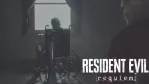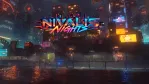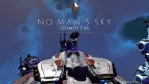

Screen tearing is a visual artefact where parts of multiple frames appear on screen during a single display refresh. It usually shows up as a horizontal split across the image, where the top and bottom sections do not line up while the camera or objects are moving.
The root cause of screen tearing is a timing mismatch. It happens when the GPU presents a new frame while the display is still in the middle of drawing the previous one. Because the screen updates line by line, the result can be a visible break where one frame transitions into another partway through the refresh.
In practice, tearing is most noticeable during fast camera pans or rapid horizontal movement.
Straight edges can appear broken, and the tear line may stay fixed or move up and down the screen depending on how the game’s frame rate (FPS) lines up with the monitor’s refresh rate at that moment. High-contrast scenes tend to make it more obvious, which is why players often spot tearing when turning quickly or scanning large environments.

A key nuance is that screen tearing is not simply “FPS being too high”. It is about when a frame is presented, not just how many frames are produced each second. Even when frame rate and refresh rate appear to match, tearing can still occur if the frame presentation is out of phase with the display’s refresh timing.
Screen tearing is also about presentation rather than image quality. A game can render perfectly intact frames, but if those frames are delivered mid-refresh, the display can still show parts of two frames at once. This is why tearing is commonly discussed alongside technologies that control presentation timing rather than rendering detail.
From my own experience, tearing is easiest to spot during fast camera sweeps, where the tear line cuts through vertical edges, but some players tolerate it because allowing frames to be presented immediately can feel more responsive than waiting for a full refresh cycle.

Because of this trade-off, several approaches exist to reduce tearing. V-Sync attempts to align frame presentation with the display refresh, while variable refresh rate (VRR) technologies adjust the display’s refresh timing dynamically. Limiting frame rate can also reduce how often tearing appears. Each of these addresses the same timing problem in different ways, which is why they are often discussed together but explained separately.
Screen tearing itself is simply the visible result of unsynchronised frame presentation. Understanding why it happens makes it easier to understand the role of synchronisation features without treating tearing as a fault in rendering or performance alone.