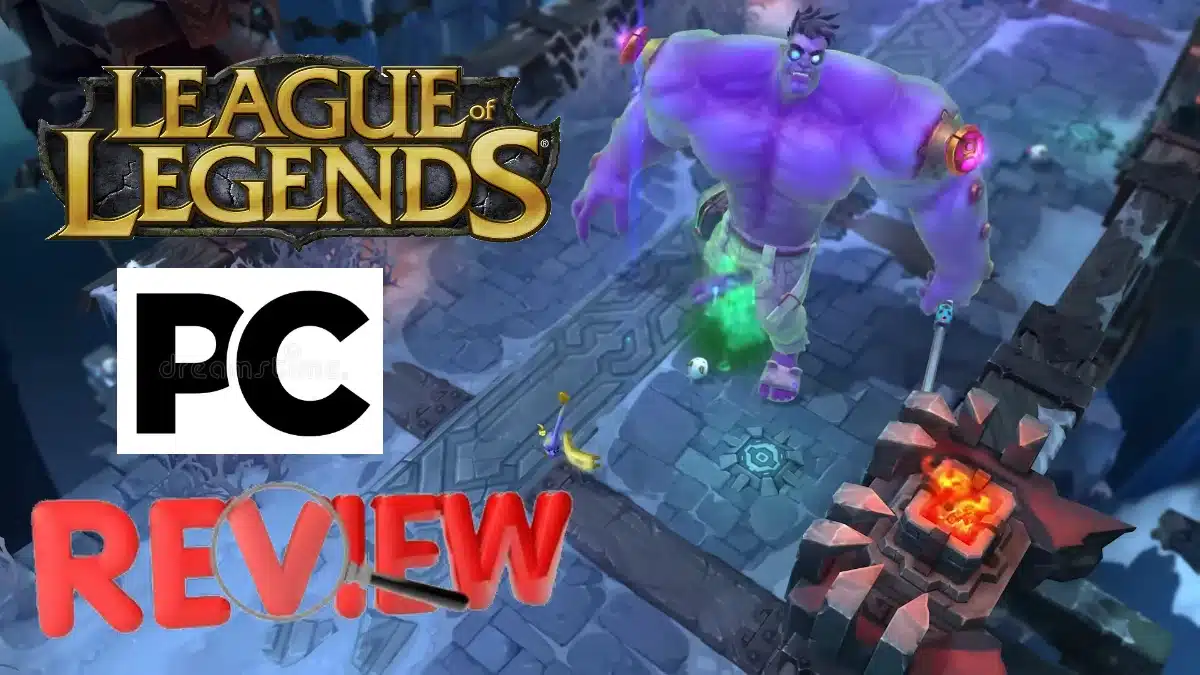
Seventeen years after launch, League of Legends remains one of the biggest games on the planet. That alone says a lot. Plenty of live-service titles have come and gone, but Riot Games’ MOBA is still attracting millions of players in 2026. After revisiting the game and looking at how it has evolved, I came away with the same conclusion I’ve had for years. League of Legends is brilliant, frustrating, rewarding, exhausting, and unlike almost anything else in gaming.
It’s also easier to understand why so many players tell newcomers to stay away.
I don’t think League’s reputation comes from the game being bad. In fact, I think the opposite is true. The reason emotions run so high is because League asks so much from its players.
Even in 2026, the learning curve is enormous. With more than 170 champions, dozens of items, changing metas and countless interactions to learn, new players are essentially thrown into one of gaming’s deepest competitive experiences. The onboarding process is better than it used to be, but there’s no escaping the fact that competence takes time.
I’ve always believed difficult games can be the most rewarding, and League of Legends proves that repeatedly. Few multiplayer games deliver the same satisfaction as a perfectly executed team fight, a comeback victory, or climbing to a new rank after dozens of hard-fought matches.

Those moments are why people keep returning.
One thing League still does better than most multiplayer games is variety.
The enormous champion roster means there’s a playstyle for almost everyone. Whether you prefer durable tanks, assassins, mages, marksmen or support characters, you’ll find several champions that fit your personality.
Thanks to regular balance patches every couple of weeks, the game rarely feels stagnant. Strategies evolve constantly, which keeps things fresh even after hundreds of hours.
The current meta in League of Legends PC is heavily influenced by the dominance of champions like Senna, who has completely taken over the bot lane with her scaling potential and new item builds, making her an OP tier pick. Mid lane sees Syndra making a strong comeback, also in the OP tier, thanks to her increased damage and survivability, while Shinszou has fallen off significantly across all roles, now placed in B tier due to nerfs.
The jungle meta has shifted away from nerfed champions like Lee Sin and Shinszou, with Nocturne remaining a top-tier pick and off-meta champions like Nasis gaining ground. Top lane sees Atrox rising into S tier following buffs, while Jax and Gwen remain relatively unchanged. Overall, the meta is dynamic, with a focus on scaling, strong teamfight presence, and strategic itemization, making champions like Senna and Syndra top priorities for players aiming to excel.
I also appreciate how accessible the business model remains. League is free-to-play without becoming pay-to-win. Cosmetic skins are plentiful and often excellent, while free rewards regularly hand out skins and champion shards over time.
Riot has also made some welcome accessibility improvements over the years. Features such as Champion Sound Notifications and improved ping controls introduced in September 2023, make it easier for players with hearing difficulties and help reduce cognitive load. They are small additions, but they show a commitment to making one of gaming’s most complex competitive experiences more approachable.
Visually, the game has aged remarkably well. Summoner’s Rift still looks vibrant, spell effects remain easy to read, and champion designs continue to improve. For a game that launched in 2009, it’s impressive how modern it still feels.
ARAM remains one of my favourite modes because it produces some wonderfully chaotic moments. I still laugh thinking about one match where a ridiculous augment combination turned me into an almost unstoppable tank, allowing me to survive on a sliver of health while my friends shouted over voice chat. Those kinds of moments are part of what make League so endlessly replayable.
For me, ranked mode remains one of gaming’s best even to this day.
As someone who values meaningful progression systems, I think LoL’s ranked ladder is one of the strongest in competitive gaming.
Climbing divisions feels rewarding because Riot’s matchmaking system does a solid job of placing players where they belong. Matches are usually competitive, and earning promotions still carries weight. Ranked rewards and visual progression help make improvements feel tangible.
Match pacing is another strength. Games generally last between 20 and 35 minutes, while major objectives like Dragon, Void objectives and Baron create natural moments where teams are forced together for decisive battles.
That structure gives matches a rhythm that remains compelling years later.
LoL is at its best when five players come together with a common goal.
I’ve always found team-based games memorable because of those moments where everything clicks. Even if you’re struggling individually, it’s possible to contribute through map awareness, objectives and smart decisions. Carrying a team feels great, but being carried and helping secure a win can be equally satisfying.
The sheer amount of educational content available also helps. Guides, coaching videos and community resources make improvement easier than ever.
League has become bigger than just a game. Between esports, music, Arcane, lore and community content, it feels like an entire ecosystem.
The community still deserves much of its reputation. Unfortunately, League’s biggest weakness hasn’t disappeared. Toxicity remains a genuine problem.
Things have improved thanks to behavioural systems, pings and reporting tools, but players will still blame teammates, flame mistakes and occasionally sabotage matches. Muting chat helps enormously, but the problem hasn’t gone away.
Smurfs and intentional feeders still appear often enough to ruin games, and the culture around mistakes can sometimes feel hostile to new players. Gatekeeping remains common, with some veterans forgetting how overwhelming the game is for beginners.
The good news is that most players genuinely want to win, and outright griefing is still relatively uncommon.
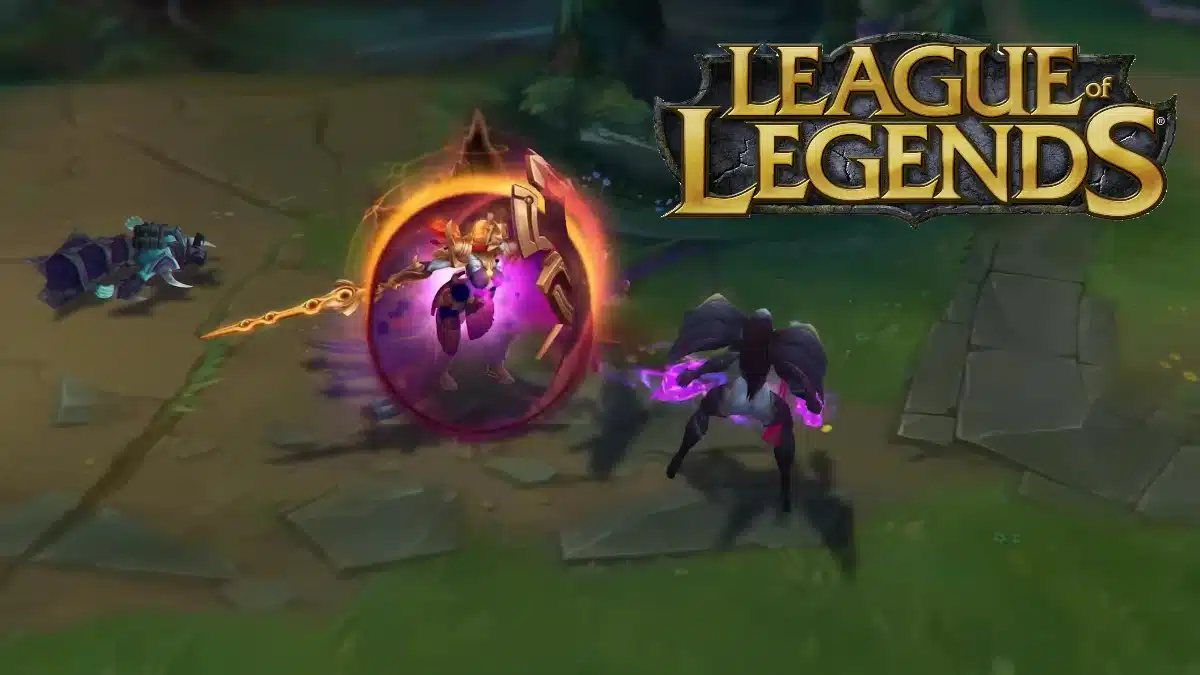
Riot’s Vanguard anti-cheat remains controversial because of its kernel-level access, but I understand why Riot has taken such an aggressive approach. Cheating has become increasingly sophisticated, and while privacy concerns are understandable, I think preserving competitive integrity is ultimately more important for a game that lives and dies by fair matches.
Losing can feel miserable, League’s biggest gameplay issue isn’t balance, it’s snowballing.
Falling behind early often feels brutal. If your lane opponent gains an advantage, you’re frequently forced into a defensive cycle where your options become extremely limited. Recovering is possible, but spending 20 minutes slowly losing isn’t particularly enjoyable.
I’ve always found that winning feels fantastic, while losing can feel disproportionately miserable. That’s probably why so many long-term players have such a love-hate relationship with the game.
League also demands a healthy mindset. Constant patches, ranking pressure and the desire to improve can turn a hobby into something unhealthy if you’re not careful. Taking breaks matters.
Should You Start Playing League in 2026? That depends on what you’re looking for.
If you want something relaxing after work, League probably isn’t it.
If you become frustrated easily or expect instant gratification, you’ll likely bounce off quickly.
But if you enjoy competition, learning difficult systems and steadily improving over time, League remains one of the most rewarding games ever made.
I don’t think it’s perfect. I don’t even think it’s always fun. But I do think Riot has created one of the greatest competitive games in history. Seventeen years later, few games can match the highs League provides when everything comes together.
That’s why people keep coming back.
League of Legends isn’t for everyone, and that’s okay. Its learning curve is intimidating, the community can still be exhausting, and bad losses hurt more than they should. But beneath all that is one of the deepest, most polished and most rewarding competitive games ever made.
If you’re willing to invest the time and accept the frustration that comes with mastery, League still offers experiences few games can replicate.
League of Legends PC Review
League of Legends is 17 years old and still one of the biggest games on the planet. Here is an honest look at whether it is still worth playing in 2026 on PC.
Product Brand: Riot Games
9.1
Pros
- Outstanding competitive depth and replayability
- Huge roster of over 170 champions
- Excellent ranked mode and matchmaking
- Free-to-play without pay-to-win mechanics
- Regular updates keep the meta fresh
- Strong esports and community ecosystem
- Team fights and comeback victories create unforgettable moments
- Huge amount of learning resources available
Cons
- Extremely steep learning curve
- Toxic players still exist despite improvements
- Snowball mechanics can make losses feel hopeless
- Smurfs and occasional griefers hurt match quality
- Requires a major time investment
- Not ideal for players seeking a relaxed experience