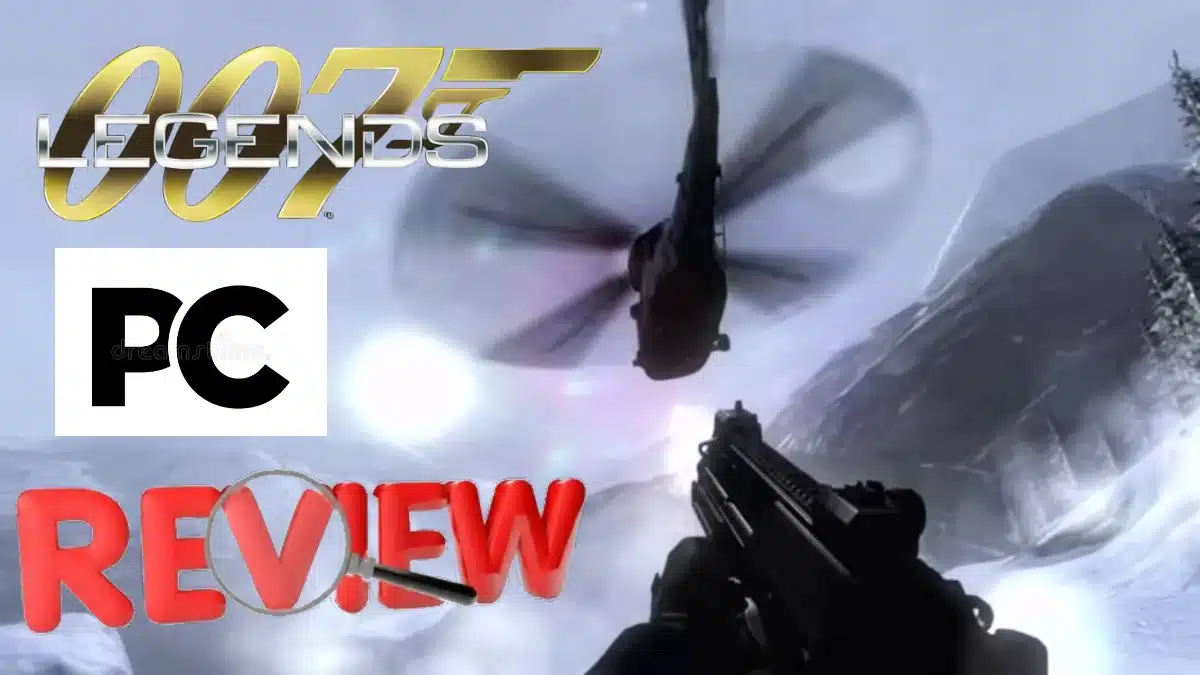
007 Legends should have been one of the easiest James Bond games to get excited about. Released during the 50th anniversary of the film franchise, Eurocom’s first-person shooter brings several generations of Bond together by revisiting famous missions from films including Goldfinger, On Her Majesty’s Secret Service, Moonraker, Licence to Kill and Die Another Day.
There is just one major problem. Rather than capturing what makes James Bond distinctive, 007 Legends spends too much of its time trying to be another military-style first-person shooter.
The idea behind the game is considerably better than the finished result. Putting Daniel Craig’s version of Bond into reimagined adventures from different eras could have produced a brilliant celebration of the character. Instead, the classic films are squeezed into a repetitive campaign dominated by gunfights, questionable enemy AI and linear level design.
On PC, the situation is made worse by a remarkably limited port that gives players very little control over graphics and performance.
Quick Links:
Gameplay and Mechanics
007 Legends is primarily a first-person shooter, and anyone familiar with Activision’s Call of Duty games will recognise much of its basic structure. Missions move Bond through heavily scripted environments where enemies arrive in groups, firefights break out and progress usually means eliminating the opposition before moving to the next area.
The controls immediately reminded me of Call of Duty, while the heavy emphasis on shooting made the game feel less distinctive than I expected from a Bond title.
Shooting itself is functional. There is a reasonable selection of weapons, aiming is straightforward and weapons can be upgraded as the campaign progresses.
The problem is repetition.
Bond is supposed to be a spy, yet 007 Legends frequently treats him like a conventional action hero. Stealth, gadgets and surveillance do appear, but they rarely become as important as the gunplay. Too many encounters ultimately fall back on shooting another group of enemies.
Enemy behaviour does little to improve matters. AI can be predictable, reducing encounters that should feel dangerous or tactical to fairly routine exchanges of fire. Stealth sections are particularly disappointing because they never develop into the sophisticated espionage system the licence deserves.
Melee encounters also appear during boss fights, using prompted actions rather than giving players a particularly deep hand-to-hand combat system. These sequences provide some visual variety but quickly lose their impact.
I found the inability to move unconscious or dead enemies particularly annoying. I could silently take someone down, only for another guard to discover the body and immediately alert everyone.
I was particularly disappointed by the gadgets. There were very few memorable gadgets, and most of the ones I used were restricted to simple mini-puzzles rather than becoming meaningful parts of the missions.
The result is a strange mismatch. 007 Legends contains plenty of recognisable Bond ingredients, but the gameplay tying them together rarely makes you feel like an elite MI6 agent.
Story and Classic Bond Missions
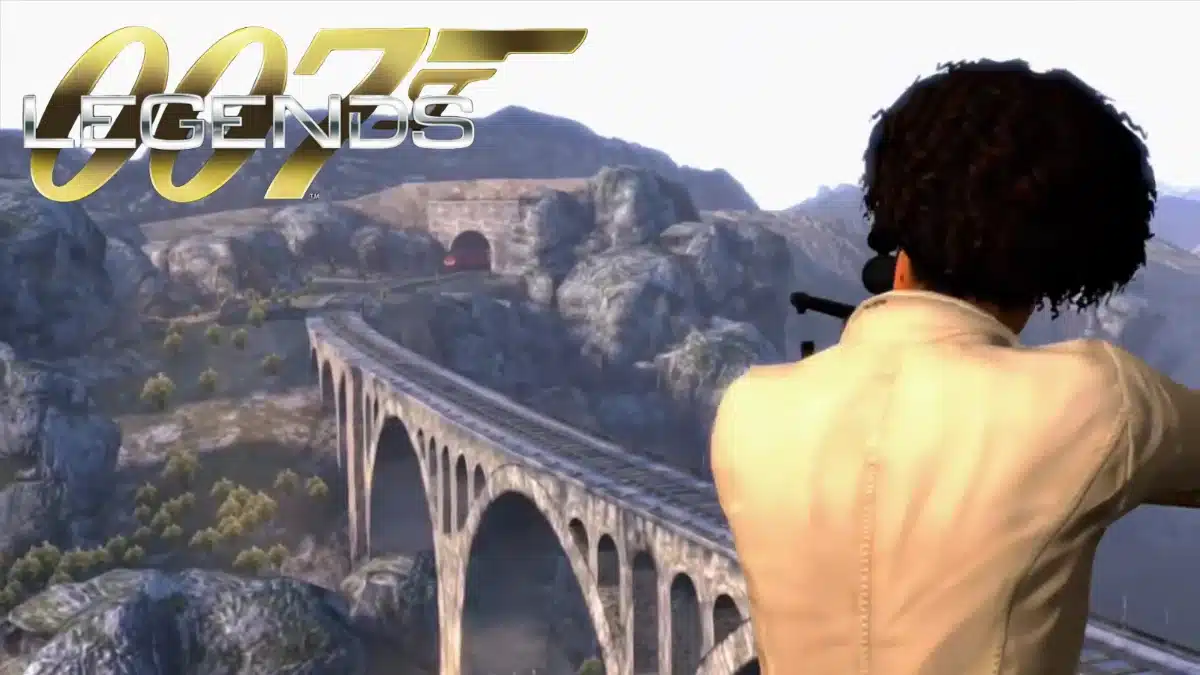
The strongest idea in 007 Legends is its journey through Bond history.
The story begins around the train sequence from Skyfall, with the injured Bond remembering earlier missions. Those memories allow the game to reinterpret adventures originally associated with different actors while keeping Daniel Craig’s version of Bond at the centre.
It is an ambitious concept.
Goldfinger, On Her Majesty’s Secret Service, Moonraker, Licence to Kill and Die Another Day provide the five main stories, while Skyfall was subsequently represented through an additional mission released after launch.
The ski chase inspired by On Her Majesty’s Secret Service produced one of my favourite moments. Flying over a cliff and shooting down a helicopter felt genuinely exciting.
Individual locations occasionally provide the nostalgia the concept promises. Familiar villains, settings and situations are immediately recognisable to anyone who knows the films.
Unfortunately, combining several separate films also creates one of the campaign’s biggest weaknesses.
The transitions between stories can feel abrupt, and there isn’t enough narrative development connecting them. Rather than experiencing one substantial Bond adventure, it often feels like moving between abbreviated recreations of famous films.
That is especially frustrating because the source material is so strong. 007 Legends has decades of characters, gadgets, villains and locations available to it, yet rarely turns that history into compelling storytelling.
Graphics and Performance
Visually, the PC version of 007 Legends is disappointing for a game released in 2012.
Character models and animation can look stiff, while textures and environmental detail lack the quality seen in stronger PC shooters from the same period. Some locations are more memorable because of their connection to the films than because of their technical presentation.
The PC conversion is also surprisingly restrictive.
Players can select a display resolution and use V-Sync, but 007 Legends does not provide the extensive collection of graphics presets and individual quality controls normally associated with PC gaming. More significantly, technical analysis of the PC version has documented an internal rendering resolution of 1280×720 and a 60 FPS cap.
Here is what the PC version supports:
| PC graphics feature | 007 Legends |
|---|---|
| Display resolution | Configurable |
| Internal rendering resolution | 1280×720 |
| Frame rate | Capped at 60 FPS |
| V-Sync | Supported |
| Graphics presets | None |
| Adjustable FOV | No native setting |
| 120+ FPS | Not supported |
| Ultrawide | No native support |
The resolution situation deserves clarification. Higher display resolutions can be selected, but the game internally renders at 1280×720 before scaling the image. PCGamingWiki also documents community workarounds for widescreen resolutions and other limitations, but these are not native graphics options provided by the game.
That makes 007 Legends a particularly weak PC conversion. The issue isn’t simply that the graphics have aged. Even at release, PC players were given very little ability to configure the presentation around their hardware.
Sound and Voice Acting
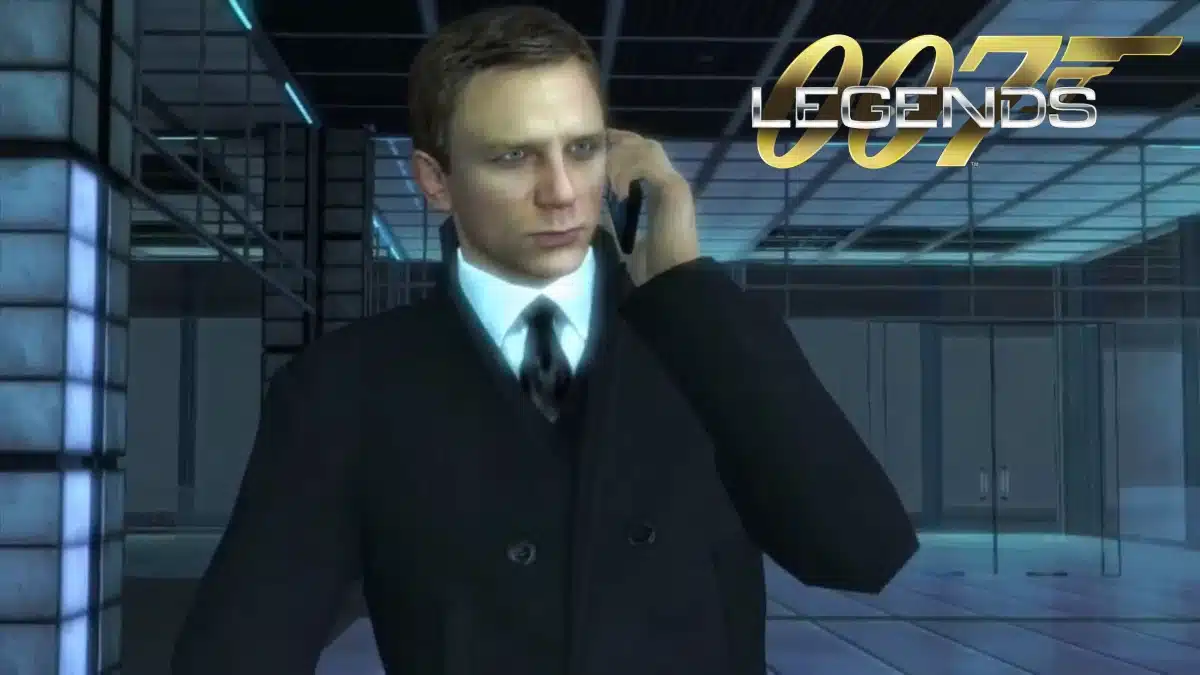
The familiar James Bond theme and other musical cues give 007 Legends some of the atmosphere expected from the licence, but the voice performances are inconsistent.
Daniel Craig provides Bond’s likeness but did not voice the character. Timothy Watson performs the role instead, which creates a noticeable disconnect between the Bond on screen and the voice coming from him.
Several performers associated with the films did return to their respective roles, which helps some of the recreated scenes feel more authentic.
Even so, the audio cannot compensate for the campaign’s broader presentation problems. The best Bond games make their music, dialogue and action work together to create the feeling of participating in a spy film. Here, that atmosphere appears in flashes rather than defining the experience.
Multiplayer and MI6 Ops
One area where 007 Legends offers considerably more content than the campaign alone suggests is multiplayer.
The game includes competitive modes such as Conflict, Team Conflict, Golden Gun, Heroes, Icarus, Black Box and Data Miner, alongside more specialised variants. Online matches supported up to 12 players, while console versions also offered four-player split-screen multiplayer. Activision documented a surprisingly broad selection of multiplayer modes.
MI6 Ops provides another alternative to the campaign. These shorter challenge missions focus on objectives such as combat, stealth and defending positions, with performance contributing towards a score.
These modes give 007 Legends more replay value than its campaign initially suggests.
They also highlight the missed opportunity at the centre of the game. When 007 Legends allows its objectives and Bond gadgets to become more important, there are glimpses of a more interesting spy game underneath the conventional shooting.
My only negative is that I only managed to spend meaningful time playing team-based matches because I struggled to find players in the other multiplayer modes.
I did get to try all the game modes after waiting for hours, but Team Deathmatch was effectively the only mode where I could consistently find other players.
How Does 007 Legends Compare to Other Bond Games?
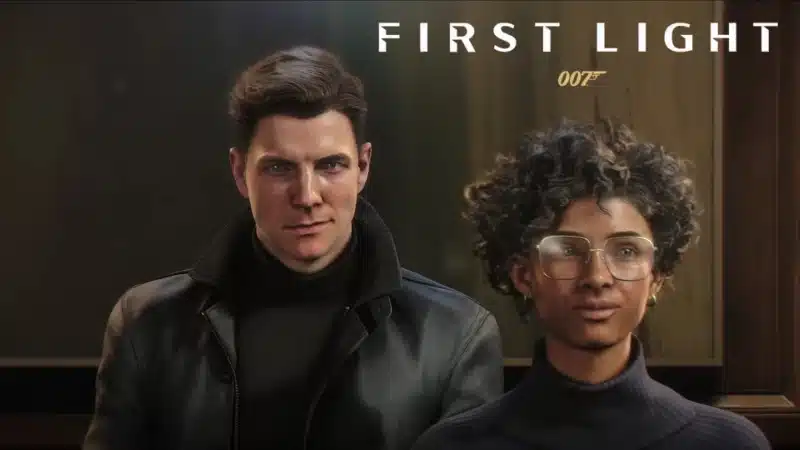
007 Legends suffers particularly badly when compared with both the Bond games that came before it and those that followed.
GoldenEye 007 established an enormous reputation through its campaign and multiplayer, while Eurocom itself had already demonstrated a stronger understanding of the licence with GoldenEye 007: Reloaded. The difference isn’t simply nostalgia. A good Bond game needs an identity beyond putting a Walther PPK into a first-person shooter.
That becomes even clearer when 007 Legends is compared with 007 First Light, released in 2026 by Hitman developer IO Interactive. Rather than adapting existing films, First Light tells an original origin story about a young James Bond earning his 00 status.
More importantly, First Light demonstrates how differently the Bond fantasy can be approached. Its missions combine shooting with stealth, gadgets, social interactions, driving and cinematic action, giving players more ways to behave like an intelligence agent rather than treating gunfire as the solution to almost every encounter.
The contrast exposes the biggest weakness in 007 Legends. Both games have access to the same fundamental fantasy of playing as James Bond, but Legends places conventional first-person shooting at the centre and leaves espionage mechanics around the edges. First Light builds a broader experience around the character himself.
I’ve followed 007 First Light closely from its original Project 007 development through to release, and the comparison makes Legends’ missed opportunity even more apparent. Bond games do not need to imitate other popular shooters to work. They need to make being James Bond interesting.
007 Legends possesses many of the right ingredients individually, including gadgets, stealth, exotic locations, famous villains and cinematic set pieces. It simply never combines them successfully enough.
That remains the lasting problem with 007 Legends. Revisiting five decades of James Bond films was an excellent idea, but repetitive gunfights, weak stealth, predictable AI and an underwhelming PC conversion prevent it from becoming the anniversary celebration it could have been.
I have a lot of affection for the Bond franchise and was pleased to see it reach its 50th anniversary, but I did not feel that 007 Legends did enough justice to that history.
There are enjoyable moments for Bond fans, particularly when familiar villains and locations appear, but 007 deserved an adventure built around espionage rather than another shooter wearing a tuxedo.
007 Legends — Quick Facts
Developer: Eurocom
Publisher: Activision
Platforms: PC, PlayStation 3, Xbox 360, Wii U
PC release date: 2 November 2012
Genre: First-person shooter
PEGI: 16
Game modes: Single-player, multiplayer, MI6 Ops
PC graphics presets: None
PC performance: 60 FPS cap, 1280×720 internal rendering
007 Legends PC Review
Check out our 007 Legends PC Review: Daniel Craig's Bond Adventure - Lackluster Graphics, Missed Stealth Opportunities.
Product Brand: Activision
5
Pros
- Variety of environments and locations from iconic Bond films
- Covers six classic Bond movies, offering a nostalgic trip for fans
- Functional shooting mechanics with a decent range of weapons
- Some enjoyable moments for fans of the Bond franchise
Cons
- Outdated graphics and stiff character animations
- Repetitive gameplay that lacks the stealth and strategy of Bond
- Disjointed narrative with little cohesion between missions
- Generic level design and predictable AI enemies
- Multiplayer offers plenty of modes, but finding enough active players can be difficult
- Fails to stand out compared to other Bond or FPS games