
Key Highlights:
- Steam Wishlist update adds categories and new sharing options that make it easier to request specific games as gifts.
- People without a Steam account can purchase games from a shared wishlist, while gifting across supported regions is now possible.
- Valve has also expanded digital gifting as physical Steam gift cards are gradually being discontinued.
A new Steam Wishlist update has introduced several major changes to how players organise, share, and receive games from their wishlists. The new system also makes Steam gifting more accessible to friends and family members who do not have accounts of their own.
Steam users can now organise wishlisted games into separate categories instead of keeping everything inside one large collection. A player could create dedicated groups for birthday ideas, co-op games, upcoming releases, or anything else they want to separate from their main list.
Those categories become particularly useful when sharing a wishlist. Rather than exposing the entire collection, users can generate a link containing the games they actually want another person to see.
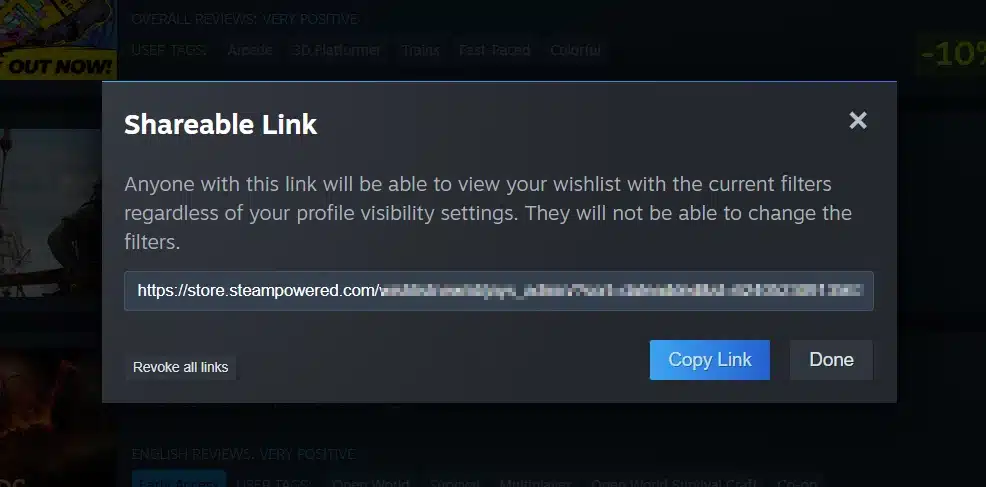
This also creates a useful privacy option. A player’s wider wishlist can remain private while selected games are shared separately, preventing every saved title from being exposed simply because someone asks what they would like as a gift.
The practical benefit is already clear from early community use. Some Steam players are creating dedicated gift categories containing games they would genuinely like someone to purchase, while leaving titles they are simply tracking for sales elsewhere in their wishlist.
Valve has also reduced the requirements placed on the person buying the gift. Someone receiving a shared wishlist no longer needs the buyer to have their own Steam membership before purchasing an eligible game from it.
Cross-region gifting has also been expanded, removing another potential obstacle when the recipient and buyer live in different supported regions.
Digital Steam Gift Cards have received similar treatment. A sender can purchase one using the recipient’s email address without needing to know the email attached to that person’s Steam account. That makes the process considerably more practical for parents, relatives, or friends who may know little about Steam beyond which person they want to buy for.
The changes build upon Steam’s existing gifting tools rather than replacing them. Steam users have long been able to inspect public wishlists belonging to friends and purchase games directly for them. Games can also be bought as gifts and scheduled for delivery at a later date.

Wishlist categories now provide considerably more control over what potential gift buyers actually see.
The timing is notable because Valve is simultaneously moving away from physical Steam gift cards. The company confirmed in June that retailers will no longer receive new supplies once their existing stock is exhausted, with Valve expecting remaining cards to disappear from stores by the end of 2026.
Existing physical cards will remain redeemable, so players do not need to rush to use cards they already own. Digital Steam Gift Cards are also unaffected by the decision.
Valve attributed the end of its retail gift card programme to persistent scams. The company had previously introduced redemption and availability restrictions, worked with retailers and law enforcement, and placed scam warnings directly on the cards. Valve ultimately concluded that scammers continued adapting to those measures.
Moving gifting further online therefore arrives at an interesting point for Steam. Physical gift cards are being phased out, while wishlists and digital gifts are becoming easier to share with people outside the platform.
For existing Steam users, categories should also solve a much simpler problem: keeping increasingly large wishlists organised. Early reaction shows players with hundreds or even thousands of saved games welcoming the ability to divide those collections into more manageable groups.
The update ultimately turns the Steam wishlist into more than a personal list of games to remember. Players can now separate games by purpose, control which selections other people can see, and provide friends or family with a much clearer idea of what they would actually like to receive.