
| Developer Nintendo EPD | Publisher Nintendo | Platform Nintendo Switch 2 | Release Date July 17, 2025 | Genre Platform, Action-Adventure | File Size 8.5 GB |
Nintendo has spent decades refining the 3D platformer, yet every so often it reminds everyone why it still leads the genre. Donkey Kong Bananza isn’t simply another adventure starring gaming’s most famous ape. It takes a familiar character and builds an entirely new gameplay identity around destruction, resulting in one of the freshest platformers Nintendo has produced in years.
Before release, it was easy to assume Donkey Kong Bananza would be aimed primarily at long-time Nintendo fans. Instead, it delivers something that feels surprisingly universal. Whether you’re a lifelong Donkey Kong fan or someone looking for a reason to justify buying a Nintendo Switch 2, this is exactly the sort of exclusive that demonstrates what Nintendo’s new hardware is capable of.

The entire experience revolves around one wonderfully simple mechanic. Punching everything in sight never stops being entertaining.
That sounds almost absurdly simplistic, but Nintendo has built an entire game around making destruction feel satisfying. Rocks explode into hundreds of fragments, mud splashes apart with convincing weight, walls crumble in seconds and hidden treasure constantly rewards curiosity. The sheer amount of environmental destruction is remarkable, especially considering almost every surface encourages experimentation.
I’ve played plenty of games with destructible environments over the years, but Donkey Kong Bananza understands something many of them miss. Destruction isn’t just visual spectacle. It becomes the game’s movement system, exploration mechanic and puzzle-solving tool all at once.
The closest comparison is probably Minecraft, but Bananza delivers that freedom at a completely different pace. Instead of slowly mining blocks with tools, Donkey Kong tears through environments with explosive speed, climbing, smashing and tunnelling through huge sections of each level in seconds. Every impact is reinforced through excellent sound design, satisfying visual effects and precise HD Rumble feedback, making every punch feel substantial.
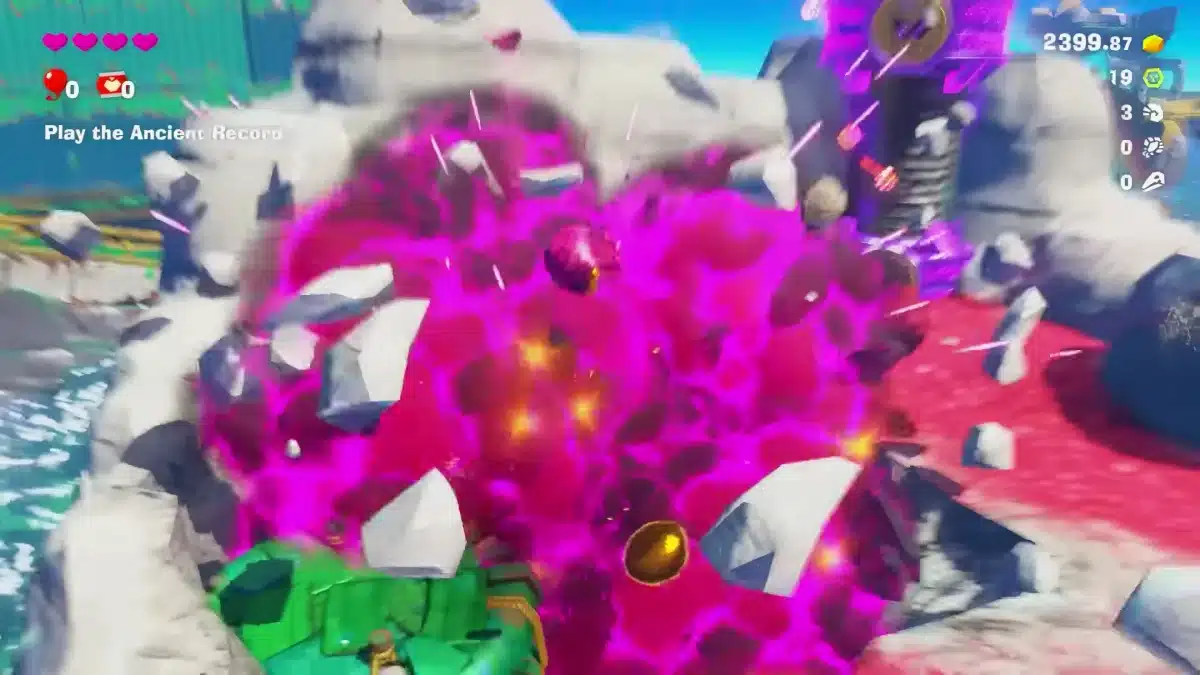
Nintendo clearly recognised this mechanic as the game’s foundation because nearly every collectible, shortcut and hidden area encourages players to simply start breaking things.
Progression builds naturally around this concept through an enjoyable upgrade system. As Donkey Kong grows stronger, new abilities open up increasingly creative ways to approach exploration. Rather than simply making combat easier, upgrades encourage players to revisit areas with fresh possibilities, giving the adventure a rewarding sense of growth.
The world itself constantly surprises.
Rather than relying on predictable grass, desert and snow worlds, Bananza embraces unpredictability from beginning to end. Levels often blend wildly different themes together, creating environments that shouldn’t work on paper but somehow do. One moment you’re navigating lush landscapes before suddenly finding yourself racing across terrain on a rhinoceros or exploring bizarre underground locations that feel more like surreal dreamscapes than traditional Mario-inspired platforming.
Initially, some of these design choices feel chaotic, but the longer the adventure continues, the clearer Nintendo’s vision becomes. Every new layer introduces fresh mechanics, visual ideas and gameplay twists that stop levels from ever feeling repetitive.
That unpredictability extends to the game’s pacing as well.
After particularly hectic sequences filled with constant destruction, Bananza deliberately slows things down. Certain areas focus more on exploration than smashing, allowing players to appreciate the environments, soundtrack and atmosphere before ramping the action back up again. Those quieter moments prevent the core mechanic from becoming exhausting and give the adventure a satisfying rhythm.
Visually, Donkey Kong Bananza is one of Nintendo’s strongest showcases for Switch 2.
Each environment bursts with colour, personality and detail, while Donkey Kong himself has never looked more expressive. His facial animations constantly react to what’s happening around him, giving the character far more personality than previous appearances. Whether celebrating another banana discovery or reacting to unexpected events, his exaggerated expressions add charm throughout the adventure.
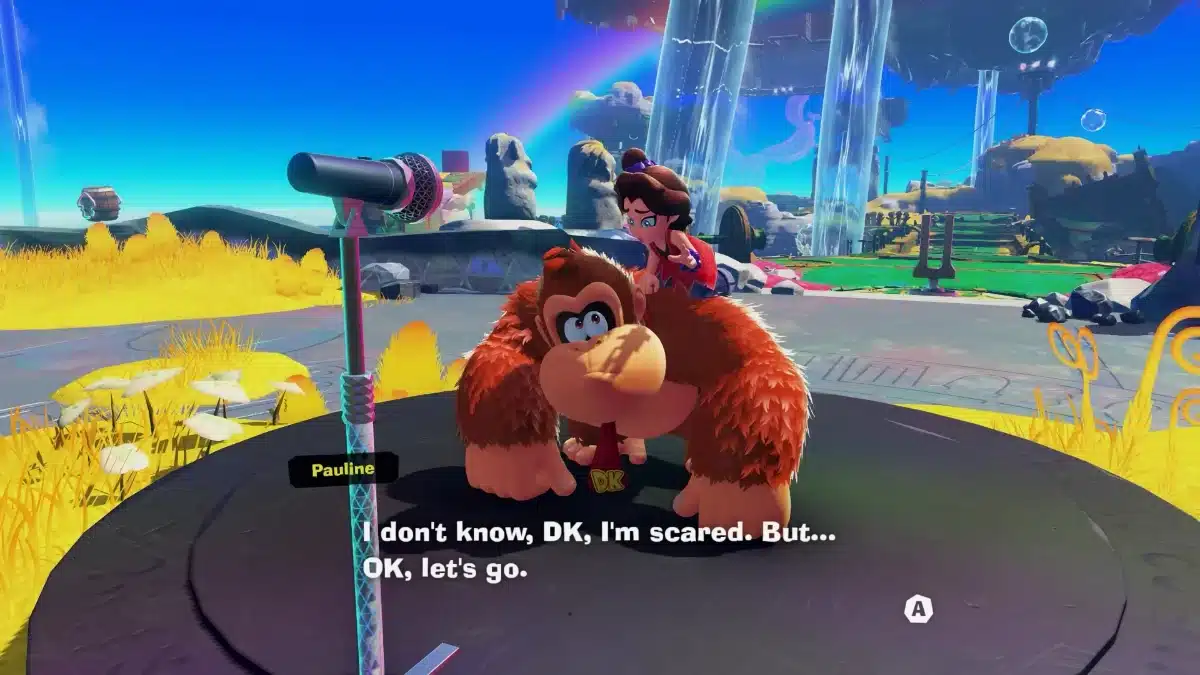
Performance is equally impressive for the vast majority of the game.
Considering just how much of the environment can be destroyed at any moment, Bananza performs remarkably well on Nintendo Switch 2. Watching entire sections of terrain disappear without bringing gameplay to a halt is genuinely impressive.
Frame rate drops do occur during particularly chaotic destruction sequences, and opening the world map can produce surprisingly noticeable slowdowns, but I rarely found these moments distracting. Given the sheer scale of the voxel-based destruction system constantly running beneath the surface, they’re understandable compromises rather than major technical failings.
From a technological perspective, Donkey Kong Bananza feels far more ambitious than it first appears.
Its destruction systems constantly encourage experimentation, while the world design pushes players towards curiosity instead of simply following a linear path. It’s the sort of game that rewards wandering off course because you’re almost guaranteed to uncover another hidden collectible, secret tunnel or optional challenge.
I remember throwing a rock high into the air and watching it lodge itself on top of a rocky outcrop. I kept throwing more until I’d built a towering staircase I could climb, turning an ordinary cliff into my own shortcut. Moments like that perfectly capture just how creative Donkey Kong Bananza’s destruction system can be.
What impressed me most was how confidently Donkey Kong Bananza refuses to follow the conventions of the 3D platforming genre. Nintendo could have played it safe with familiar jungle worlds and predictable progression, but instead it delivers an adventure that constantly surprises. Every layer introduces bizarre ideas, unexpected mechanics and wildly different environments that somehow come together into a cohesive whole.
The game’s structure continually rewards curiosity. Every area hides Banandium Gems, fossils, gold and secrets that encourage you to carve your own path rather than simply follow the intended route. Exploration rarely feels like filler because almost every direction leads to another meaningful discovery or clever challenge. Even after spending dozens of hours underground, I still found myself wondering what strange idea Nintendo would throw at me next.
Even after finishing the campaign, I kept returning to earlier areas to see what upgraded abilities would uncover.
The soundtrack deserves just as much praise. It shifts effortlessly between energetic Donkey Kong-inspired themes and completely unexpected musical styles that initially feel out of place but quickly become inseparable from the game’s unusual identity. Combined with vibrant visuals and expressive animation, every biome develops its own personality without losing sight of the adventure’s playful tone.
While Donkey Kong Bananza excels creatively, its boss encounters are noticeably less impressive. Aside from a handful of excellent late-game battles, most bosses are straightforward and lack the imagination found throughout the rest of the experience. They rarely ask players to master the destruction mechanics in interesting ways and are generally over before they become memorable.
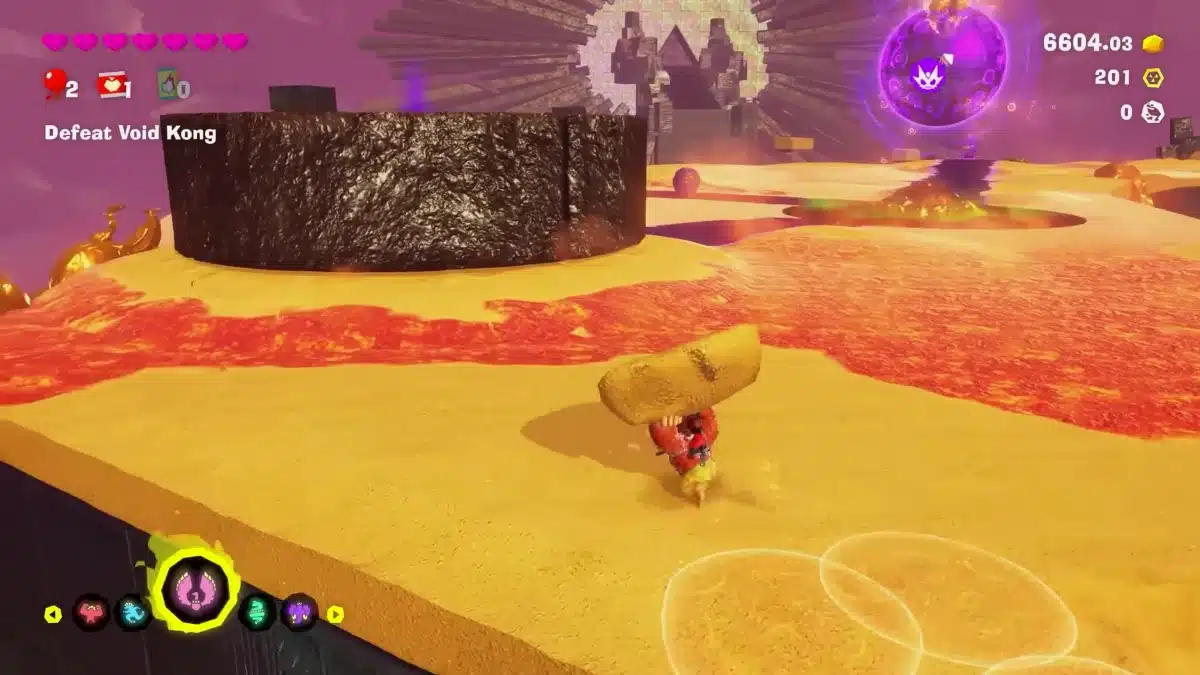
Difficulty is another area that remains fairly accessible throughout the campaign. Most puzzles and platforming sequences are enjoyable without becoming especially demanding. Optional post-game challenges provide more resistance, but experienced platforming fans may wish Nintendo had included additional high-level tests similar to Astro Bot’s toughest challenge stages.
Performance occasionally stumbles when the action becomes particularly chaotic. Heavy environmental destruction can cause noticeable frame rate drops, and opening the map sometimes results in brief pauses. Under normal circumstances these issues would be frustrating, but the sheer scale of the fully destructible environments makes them easier to forgive. Watching huge sections of terrain disappear while the game continues tracking hundreds of destructible objects is an impressive technical achievement for a handheld system.
One limitation of the destruction system is that terrain doesn’t react with realistic physics. Destroy the base of a rock formation and the remaining structure simply floats in mid-air rather than collapsing. While this prevents more advanced environmental puzzles involving gravity or flowing materials, it also keeps gameplay readable and avoids unnecessary frustration. I would love to see Nintendo expand this technology further in a sequel because the foundations are already exceptional.
The story also deserves recognition for taking genuine risks. Rather than relying solely on familiar Nintendo comfort food, Donkey Kong Bananza embraces increasingly surreal ideas as the adventure progresses. Pauline’s role, the strange journey towards the planet’s core and the increasingly imaginative level concepts all build towards a finale that feels unlike anything Nintendo has produced before. It’s difficult to discuss without spoilers, but the closing hours elevate the game from an excellent platformer into one of Nintendo’s most memorable adventures.
As someone who has played platformers for decades, I rarely find one that genuinely surprises me. Donkey Kong Bananza consistently did exactly that. Every few hours it introduced another mechanic, another environment or another absurd concept that completely changed my expectations, while never losing sight of what made it fun in the first place.
For Nintendo Switch 2 owners, Donkey Kong Bananza is exactly the sort of exclusive the system needed. It showcases impressive technology, introduces genuinely fresh gameplay ideas and reminds everyone why Nintendo remains one of the industry’s best game designers. It isn’t flawless, but its ambition, creativity and endlessly satisfying destruction mechanics make those flaws surprisingly easy to overlook.
Players looking for brutally difficult platforming may prefer Astro Bot’s toughest optional stages, but anyone who values exploration and experimentation will find far more to enjoy here.
Donkey Kong Bananza is one of Nintendo’s boldest platformers in years. Its remarkable destruction system forms the foundation for an adventure overflowing with creativity, memorable exploration and constant surprises. Technical shortcomings and underwhelming bosses prevent absolute perfection, but they do little to diminish what is ultimately one of the finest reasons to own a Nintendo Switch 2.
Donkey Kong Bananza Nintendo Switch 2
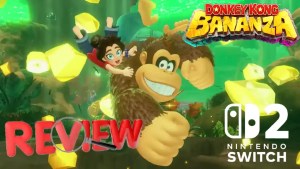
A bold 3D platformer built around smashing through a vast, voxel-based world, Donkey Kong Bananza showcases Nintendo Switch 2 with creative level design, expressive animation and satisfying destruction mechanics.
Product Brand: Nintendo
9.7
Pros
- Outstanding destruction mechanics that remain satisfying throughout the entire game.
- Inventive level design that constantly introduces fresh ideas.
- Beautiful visuals with expressive animation and excellent environmental detail.
- Exceptional exploration with rewarding collectibles and meaningful secrets.
- Excellent soundtrack that complements the game's unusual identity.
- Huge amount of optional content and replay value.
- Surprisingly heartfelt story with an unforgettable final act.
- Successfully reinvents the Donkey Kong series while respecting its history.
Cons
- Most boss battles are too easy and lack creativity.
- Noticeable frame rate drops during heavy destruction sequences.
- Destruction physics stop short of their full potential.
- Platforming veterans may want more difficult optional challenges.





so is the Nintendo Switch 2 version of Donkey Kong Bananza worth the upgrade? 🤔
Given its 9.7 Rating I gave it, I’d say Yes Elizabeth lol
I completely agree, a 9.7 rating is definitely a strong endorsement, Im glad you found it helpful for you! Are you seeing any specific results from this product that you’d be willing to share with others?
I’ve already shared everything in this comprehensive review Marcus