
Nintendo’s original Switch worked because it solved a simple problem in a clever way. You could play on the TV, pull it from the dock, and carry on in handheld without changing platforms. Eight years later, Switch 2 feels like Nintendo taking that same idea and finally sharpening every edge that got rounded off in 2017.
After six months with it, I think Switch 2 is an excellent console, but it is also a very specific kind of upgrade. If you are buying into the Switch ecosystem for the first time, it is an easy recommendation. If you already own a Switch 1, I do not think the value is as automatic unless you really care about the handheld improvements and the smoother performance across your existing library.
Quick Links:
The biggest improvement is the Switch part of Switch
The best thing Nintendo did was improve the physical experience of switching between handheld, tabletop, and docked play.
The new Joy Cons feel like the main event. They are bigger, more comfortable, and the SR and SL buttons are actually usable now for quick two player sessions. The move from rails to magnetic attachment is a genuine quality of life leap. Detaching is simple, reattaching is even simpler, and it makes the whole system feel more modern and less fiddly. I did not realise how much I tolerated the old rails until I stopped needing them.
The kickstand is also a real upgrade. It is full width, sturdier, and makes tabletop play feel like something you can actually rely on rather than a last resort.
Handheld is clearly a priority this time
Switch 2’s screen is the most obvious change the second you pick it up. It is bigger, brighter, and supports a higher refresh rate, which makes everything look cleaner in motion. Bezels are still there, but in real use it is a much better display than the original Switch.
Nintendo also made handheld play feel faster and snappier across the board. Menus move quicker, game launches feel shorter, and even the eShop experience is less painful than it used to be.

The underrated win, though, is what happens to older games. Even without updates, some titles that struggled on Switch 1 run noticeably better on Switch 2. I have seen the kind of improvement where a game that used to wobble in the mid 20s to 30fps range now holds a clean 60fps. Examples like Hogwarts Legacy, Star Wars Outlaws and Resident Evil 5 show what the extra headroom can do, even before you factor in paid upgrade packs or Switch 2 enhanced releases.
There are two handheld caveats I keep coming back to.
First, weight. Switch 2 is about 534g with the controllers attached, compared to roughly 420g for the Switch OLED. I can handle it fine as an adult who has spent time with heavier handhelds, but my kids prefer the older Switch in handheld mode because it is simply easier to hold for longer.
Second, battery life. In my experience, it can drop fast in demanding games, especially at high brightness and higher frame rates. I have seen it fall around 1 percent every couple of minutes in worst case scenarios, which can mean roughly three hours from full to empty. For lighter games, you can stretch it a lot further, but if you are buying this to crush a long flight without thinking about power, you will still need to plan around it.
Docked play finally feels more premium
Switch 2’s docked side has been upgraded in the ways most people actually asked for.
It can output 4K at 60fps and HDR now, which immediately makes it feel more at home on a big modern TV than the old 1080p dock ever did. The dock also includes a built in cooling fan, which should help keep performance more consistent during longer sessions. Nintendo also finally put Ethernet in the dock, which feels like a small change until you remember how many people had to use adapters before.
One extra touch I appreciate is the USB C port at the top of the console. It is the kind of practical addition that makes accessories and charging setups less annoying, especially if you use the system in tabletop mode.
Performance upgrades are real, even if you never buy a new game
Switch 2 has the expected “new console” speed boost, but the more interesting part is that it can make your existing Switch 1 library feel refreshed. Higher and more stable frame rates in older titles change the feel of games more than most graphics upgrades do, and that benefit shows up immediately if you are coming from an original Switch that struggled in certain ports.
The company has also done a better job than expected at communicating backward compatibility this time around. It recently launched an official Switch 2 compatibility checker that lets you search individual Switch games and see whether they run cleanly, have minor issues, or rely on features that are not fully supported.
Most titles carry over without problems, and both digital purchases and physical cartridges work seamlessly through your Nintendo Account. In practice, this makes the transition feel far less uncertain than past Nintendo generations, even if a small number of hardware-specific games, such as Ring Fit Adventure or Labo, remain exceptions for now.
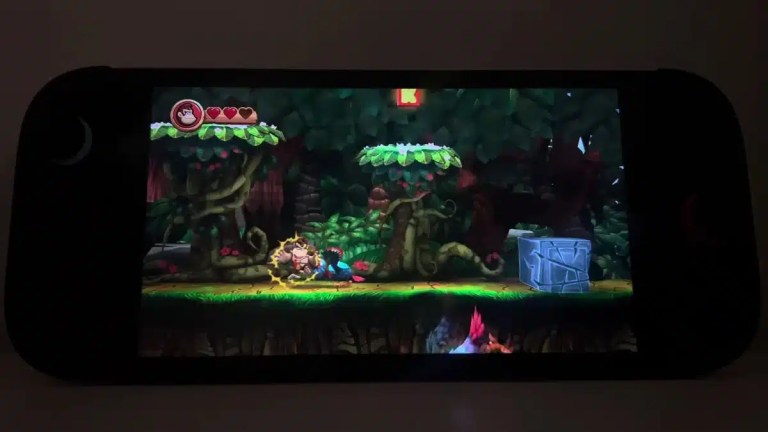
That said, it is still early in the cycle for true Switch 2 exclusives. Right now, the standouts are Mario Kart World and Donkey Kong Bananza, with The Duskbloods on the horizon. Mario Kart World looks fantastic and I enjoyed the new flavour it brings, but I also fell off it quicker than I expected and still prefer a lot of the track lineup in Mario Kart 8 Deluxe. Donkey Kong Bananza, though, feels like the real showcase. It has that “made by the Mario Odyssey team” energy, and it is the one game that has made my Switch 2 feel like a must play device rather than just a nicer Switch.
The price is not the only cost
Switch 2 at $450 is the headline number, and most people will look at the $500 Mario Kart World bundle because it effectively saves about $30 if you planned to buy the game anyway.
Nintendo has confirmed that the Switch 2 is now the fastest-selling console in the company’s history, shifting over 3.5 million units globally in its first four days.
I do not think the console price is outrageous in context, especially with how long the original Switch lasted and what inflation has done since 2017. What stings more is the wider cost of the ecosystem.
Game prices have climbed. Many standard releases now sit around $70, and premium titles like Mario Kart World land at $80, which is a hard sell when you do not feel like you got $80 worth of value out of it. Storage costs can bite too, because Switch 2 leans on microSD Express for expansion. It is faster, but it is also more expensive, and right now you are generally topping out around 512GB.
The other thing I do not love is the rise of Game Key cards. They look like cartridges, but they effectively act as a download trigger rather than containing the full game. If you care about physical collections, preservation, or simply being able to play a game offline the moment you open the box, it is a step in the wrong direction. It also means you need to be careful when travelling. If you buy a physical game that still requires extra downloads, you do not want to discover that for the first time on a plane with no internet.
On the plus side, Nintendo has handled the upgrade path reasonably well in some cases. Being able to pay around $10 for a Switch 2 upgrade pack for certain games, like the Zelda titles, is a fair deal if you already own the original cartridge and just want the better version.
Joy Cons, sticks, and the lingering drift question
I like the new Joy Cons overall, but there are two concerns.
The first is that the sticks still do not feel like full sized analog sticks. They work, but they feel a bit stunted compared to a proper controller, and that affects how much I want to play certain genres handheld.
The second is longer term reliability. The sticks are not hall effect, which means the big question from Switch 1 is still hanging over Switch 2. Will stick drift return over time? I cannot claim it has happened to me yet, but it is a real concern because Nintendo had a chance to remove that anxiety entirely and chose not to.
Accessories matter more than they should
Out of the box, Switch 2 is a little flat in handheld mode, and the ergonomics are not ideal for longer sessions. A simple grip solution changes the experience dramatically, and I would treat a good grip and a screen protector as the real baseline setup.
I also think Switch 2 benefits from using a dedicated controller when docked. The Joy Cons in their included grip work, but they still feel like a compromise controller to me. A solid third party pad with a charging dock can make docked play feel much more like a “normal console” experience without paying premium first party controller prices.
Who I think should buy it
If you are choosing between Switch 1 and Switch 2 today, I think Switch 2 is the clear pick. The extra money buys you a longer runway, a better handheld screen, better docked output, and a smoother experience across the board.
If you already own a Switch 1, I think it depends on how you play. If you are mostly handheld and you want the bigger, brighter screen and the better Joy Cons, the upgrade makes sense. If you are mostly docked, and you are happy with your current Switch library, I would seriously consider waiting until there are more must have Switch 2 exclusives that force the issue.
For me, Switch 2 is one of those consoles that feels best when you buy it a little later, once the library is stacked and the accessories and storage options are cheaper and more plentiful. It gets the score that it gets from me today, but I have no doubt that in a couple of years, that rating will go up a tad more as the console gets more titles and improves over time.
This was my Nintendo Switch 2 Console Review, if you want to check out the hardware for yourself, visit the official website using the hyperlink. Please note, we do not include affiliate links and do not earn any commission.
Nintendo Switch 2
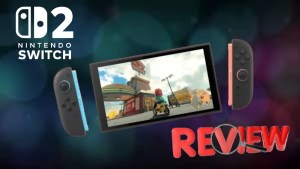
Is Switch 2 worth upgrading from Switch 1? After half a year, the answer depends on how you play. Here's what improved and what didn't.
Product Brand: Nintendo
8.4
Pros
- Bigger, brighter screen with higher refresh rate makes handheld play feel modern
- Magnetic Joy Cons and improved kickstand make switching modes smoother and sturdier
- 4K60 and HDR output in docked mode is a major step up
- Cooling fan and Ethernet in the dock are practical upgrades
- Backwards compatibility plus better performance can breathe life into Switch 1 games
- Upgrade packs for some games can be good value if you already own the originals
Cons
- Battery life can drop fast in demanding games at high brightness
- Heavier than Switch OLED, which can be a problem for kids or long handheld sessions
- Game prices have climbed, with premium titles hitting $80
- Game Key cards undermine the appeal of physical collecting and offline play
- Sticks are not hall effect, so long term drift concerns have not been erased
- microSD Express storage is faster, but noticeably more expensive than older cards