
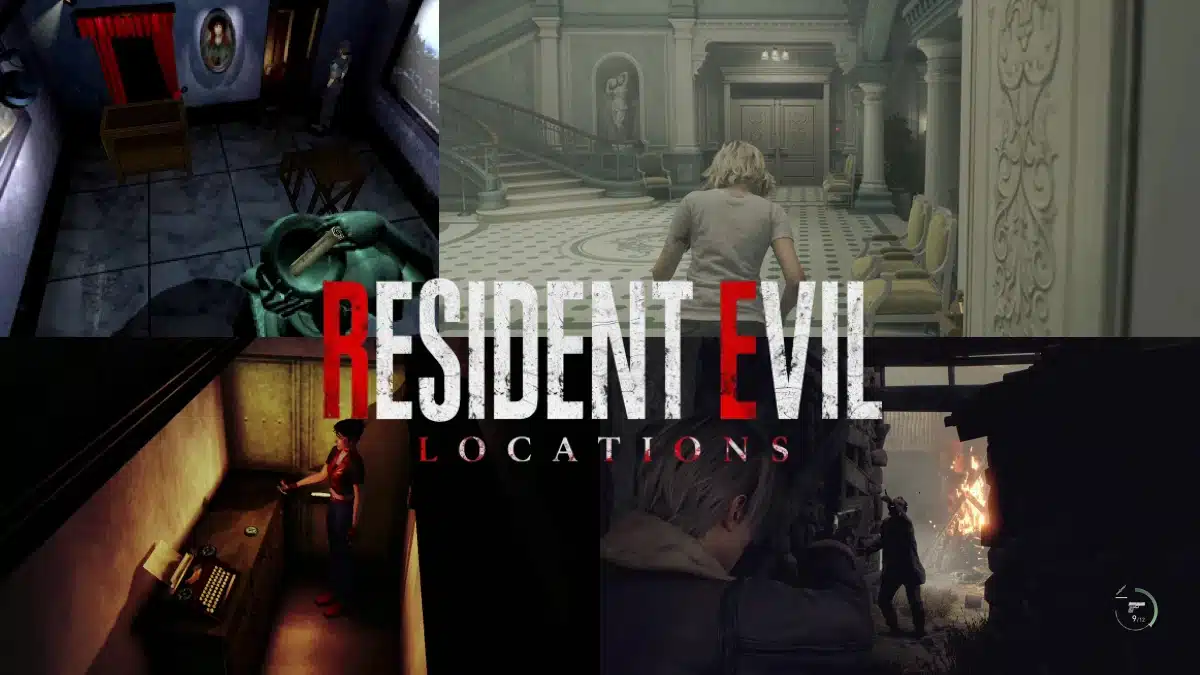
Key Highlights:
- Resident Evil’s greatest locations have shaped survival horror for nearly three decades.
- Each setting is remembered for its atmosphere, enemies, and unforgettable moments.
- From the Spencer Mansion to Rhodes Hill, these are the locations that define the series.
Quick Links:
Few franchises have created locations as memorable as Resident Evil. Long after the credits roll, it is often the places rather than the monsters that stay with players. Walking through a dimly lit hallway in the Spencer Mansion, hearing footsteps echo through the Raccoon Police Department, or cautiously opening a door inside Castle Dimitrescu all create memories that have become part of gaming history.
Light spoilers for multiple Resident Evil games follow.
After spending years replaying the series, I have realised the best Resident Evil locations do much more than provide a backdrop for the action. They establish the tone, shape the gameplay, and often become characters in their own right. Some represent the series at its finest, while others mark important turning points that changed Resident Evil forever. The following locations are my personal opinion, so be sure to tell me yours in the comments section. Let’s Go!
10. Rhodes Hill Chronic Care Center [Hospital / Asylum](Resident Evil Requiem)
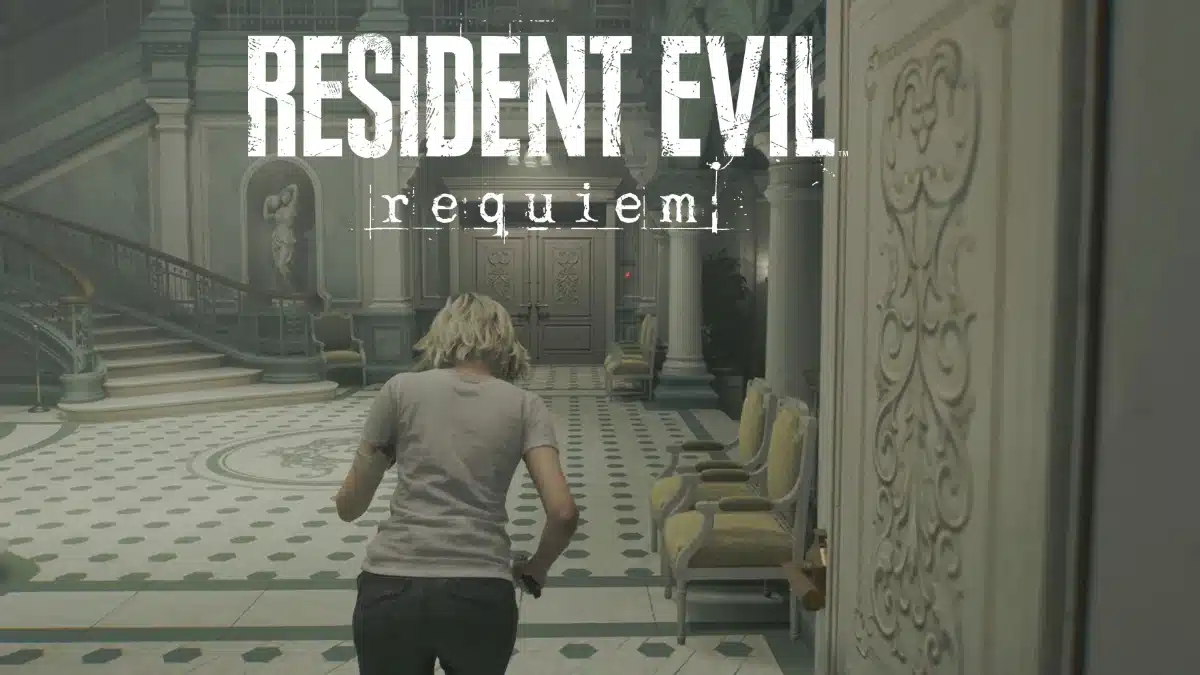
The newest location on this list has not needed decades to leave an impression. From the moment Capcom revealed the Rhodes Hill Chronic Care Center, it immediately stood apart from previous Resident Evil settings. The abandoned hospital blends a medical facility with the unsettling atmosphere of an asylum, creating an environment that feels both familiar and deeply unsettling.
Peeling paint, decaying patient rooms and long clinical corridors immediately evoke classic survival horror. Rather than relying on spectacle, the location builds tension through uncertainty. Every doorway looks dangerous, every corridor feels like it hides something waiting just out of sight.
What stands out most is how Rhodes Hill appears to embrace the slower, methodical horror that made the earliest Resident Evil games so memorable. Instead of throwing constant action at the player, it encourages careful exploration and observation. I also thought the addition of Grace Ashcroft worked nicely, and how scared she was added to the experience.
I don’t often rank brand‑new locations this high so soon, but after playing through Rhodes Hill, it already feels like one of the franchise’s defining environments and I’m happy to include it.
9. Raccoon City Hospital (Resident Evil 3 Remake)
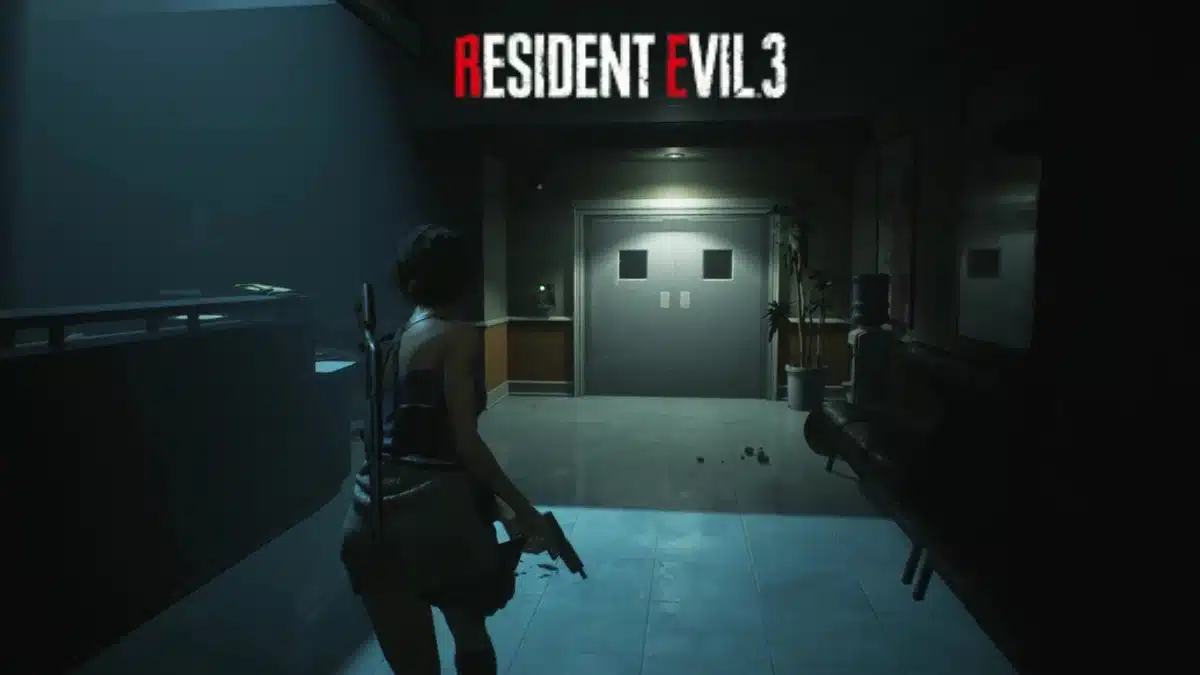
Hospitals have always been effective settings for horror, and Resident Evil 3 Remake proves exactly why. Bright corridors that should feel safe instead become hunting grounds for some of the game’s deadliest Bio Organic Weapons.
The hospital also appeared in the original Resident Evil 3: Nemesis, but the remake expands its layout, enemy variety and atmosphere, making it the definitive version of this location.
Carlos Oliveira’s desperate search for a vaccine transforms the hospital from a place of hope into a brutal fight for survival. The arrival of Hunters completely changes the pace, forcing players to stay alert around every corner while carefully managing ammunition.
Later, Jill Valentine descends beneath the hospital into the Underground Storage Facility, where the pressure only increases. Pale Heads, Hunter Gammas, zombie dogs and regular zombies combine to create one of the most hostile environments in the remake.
I have always appreciated how the hospital constantly changes its pace. Quiet exploration quickly gives way to frantic defence, before shifting back into tense survival horror. It is one of the few Resident Evil locations that never lets players become comfortable.
If challenging environments are your favourite part of the series, this location also appears in our ranking of the Top 10 Hardest Areas in Resident Evil Series History, where its relentless enemy encounters earn it one of the highest spots.
8. Umbrella Laboratory (Resident Evil 2/RE2 Remake)
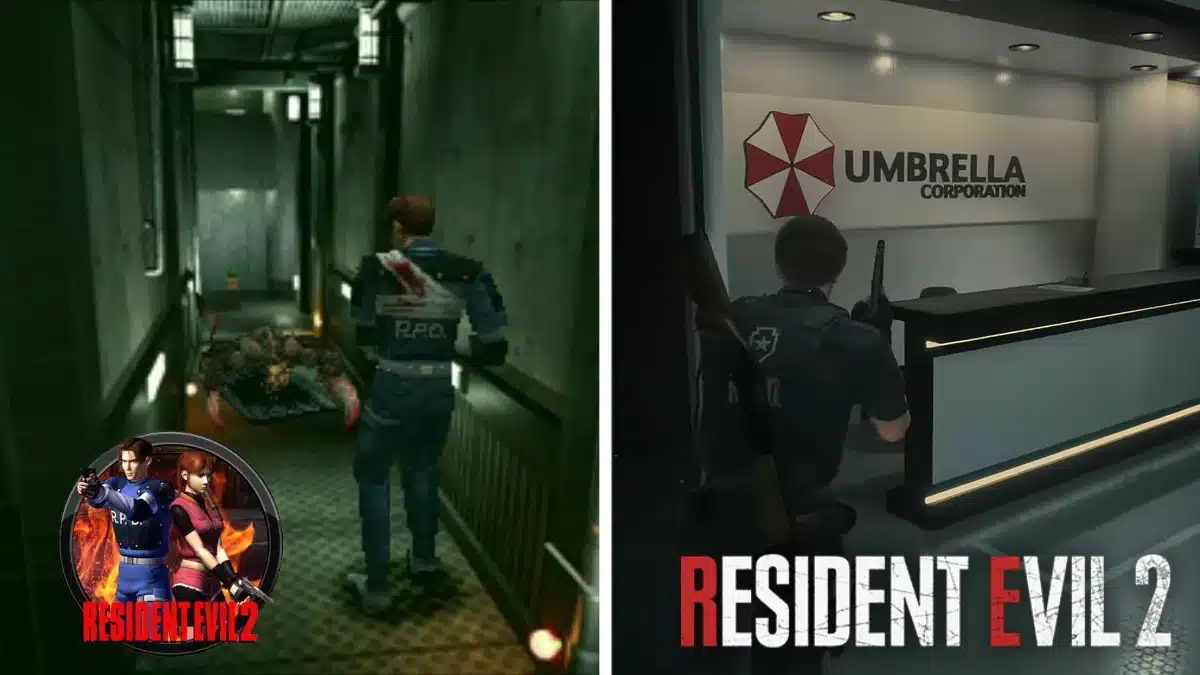
For much of Resident Evil 2, Umbrella exists as an unseen force operating behind the scenes. The Umbrella Laboratory finally pulls back the curtain and reveals where the nightmare truly began.
Hidden beneath Raccoon City, the laboratory replaces gothic architecture with clean white corridors, testing chambers and industrial research facilities. The change in scenery marks an important turning point in the game, shifting the focus from escaping infected civilians to uncovering the corporation responsible for creating the outbreak.
The laboratory also introduces players to some of Umbrella’s darkest experiments. William Birkin’s research into the G Virus, dangerous biological specimens and advanced testing facilities all reinforce the company’s complete disregard for human life.
I have always thought the Umbrella Laboratory deserves more recognition than it usually receives. While players often remember the Raccoon Police Department first, the laboratory delivers the answers the entire adventure has been building towards. It completes Resident Evil 2’s story while expanding the wider lore that would shape the franchise for years to come.
7. Rockfort Island Prison (Resident Evil Code Veronica X)
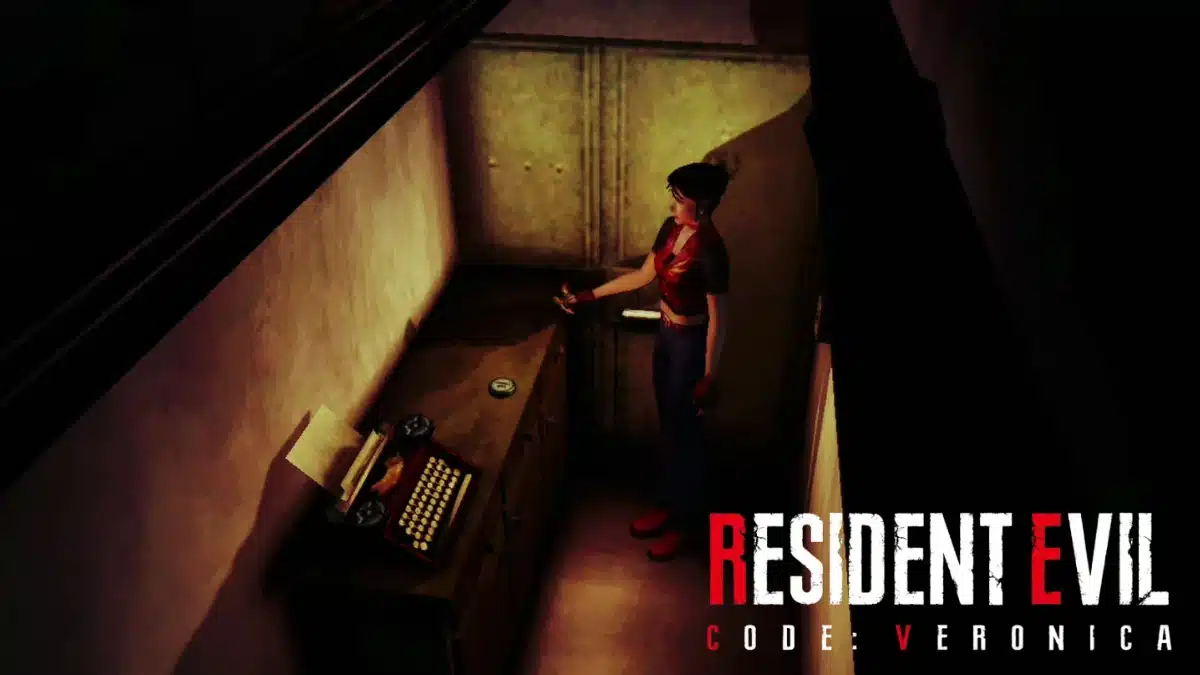
Rockfort Island perfectly represents Resident Evil at its most unforgiving.
Serving as the primary setting for Claire Redfield’s desperate search for her brother, the prison island constantly places players under pressure through limited resources, dangerous enemies and lengthy backtracking. Unlike many later games, there is little room for mistakes here. Poor decisions can have consequences hours later.
The island itself constantly changes as players progress. Military compounds, prisons, graveyards, training facilities and abandoned buildings each reveal another piece of Alfred Ashford’s twisted world.
Rockfort Island also introduces several unforgettable enemies, including the terrifying Bandersnatches whose elastic arms can strike from astonishing distances. Combined with the constant feeling of isolation, they make every journey across the island feel dangerous.
I remember playing this for the first time on the Sega DreamCast and being blown away. It didn’t get as many eyes on it as other entries, and to this day I still don’t know why. Every shortcut earned and every puzzle solved genuinely feels like progress against impossible odds. It had a fantastic story and very memorable locations, Capcom are even remaking this as their next entry in the series. It’ll be called Resident Evil Veronica, dropping the ‘Code’ and ‘X’, and I’m beyond excited – it’s coming in 2027.
6. Guardhouse and Courtyard (Resident Evil)

While the Spencer Mansion often receives most of the attention, the Guardhouse and Courtyard deserve just as much praise for expanding the original game’s world.
Leaving the mansion for the first time gives players a brief sense of relief, but that feeling disappears almost immediately. The peaceful gardens quickly reveal giant snakes, infected dogs, aggressive crows and one of Resident Evil’s most memorable locations: the Guardhouse itself.
The Guardhouse introduces a different kind of horror. Instead of elegant corridors and hidden passages, players navigate flooded rooms, overgrown hallways and laboratories overtaken by nature. Plant 42 remains one of the defining encounters from the original game, while the surrounding environment perfectly captures Umbrella’s experiments spiralling out of control.
From a design perspective, I have always admired how this section changes the player’s expectations. It proves the horror extends far beyond the mansion walls and reminds players that nowhere is truly safe.
The Guardhouse and Courtyard also serve as the calm before the storm. Returning to the Spencer Mansion afterwards introduces the Hunters, transforming familiar hallways into some of the most dangerous areas in Resident Evil history.
5. Raccoon City Streets (Resident Evil 3 Remake)
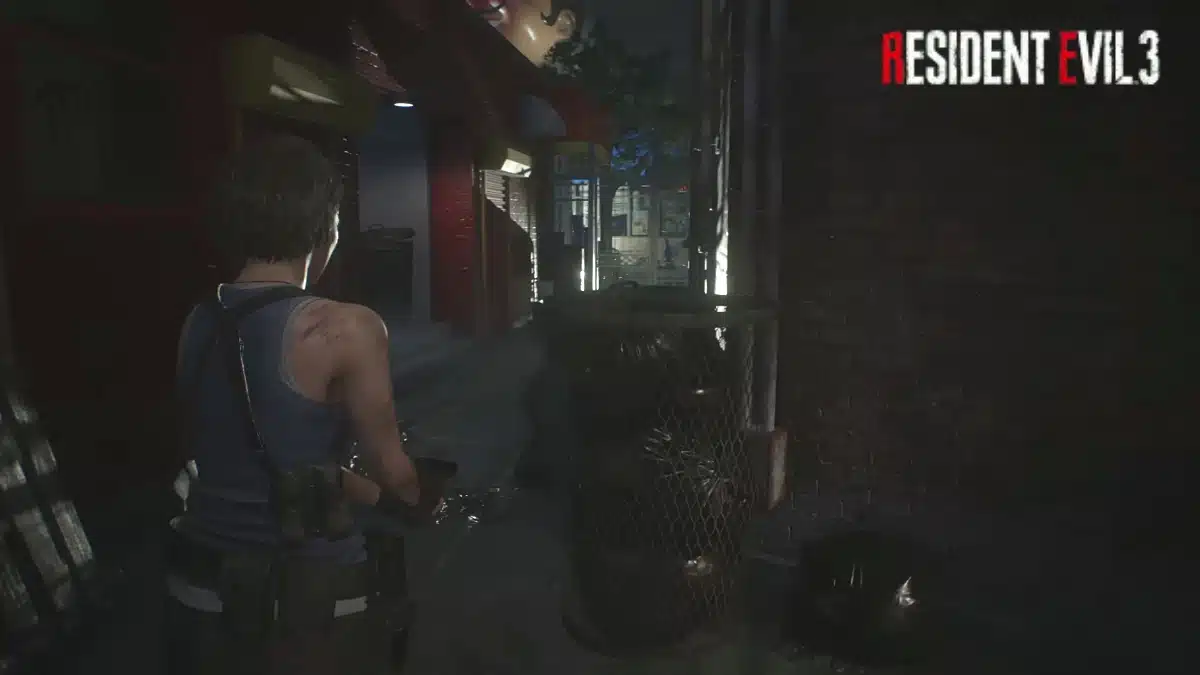
Few locations capture the collapse of civilisation quite like the streets of Raccoon City. While Resident Evil 2 shows the aftermath of the outbreak, Resident Evil 3 throws players directly into the middle of the disaster as the city tears itself apart.
The original RE3 Nemesis used Raccoon’s streets as key set pieces, but the RE3 Remake greatly expands the scale, visual detail and sense of a city actively collapsing, which is why this entry focuses on the 2020 version.
Every street tells part of the story. Burning vehicles block roads, abandoned shops sit in darkness, and desperate survivors fight for their lives against overwhelming odds. The environment constantly reminds players that this is no isolated incident. An entire city is dying around them.
The streets also introduce one of the series’ greatest threats. Nemesis does not stay confined to a single arena. He stalks Jill Valentine through alleyways, restaurants, offices and rooftops, turning every escape route into another potential ambush.
I have always considered Raccoon City itself to be one of Resident Evil’s greatest characters. Every return to its streets adds another layer to Umbrella’s downfall, making the city just as memorable as the heroes trying to escape it
4. Castle Dimitrescu (Resident Evil Village)
Castle Dimitrescu proved that Resident Evil could still create an instantly iconic setting nearly three decades after the original game.
Its towering gothic architecture immediately brings back memories of the Spencer Mansion, but the castle quickly establishes its own identity through lavish interiors, towering staircases, candlelit halls and hidden chambers. Every room feels carefully designed to reward exploration while maintaining a constant feeling of unease.
Lady Dimitrescu’s relentless pursuit gives the castle much of its personality. Much like Mr. X before her, she transforms familiar hallways into places players begin to fear revisiting. Meanwhile, her daughters add another layer of unpredictability as they emerge from clouds of insects to block Ethan’s progress.
Beyond its striking appearance, the castle successfully balances exploration, puzzles and combat in a way that feels unmistakably Resident Evil. It is one of the strongest opening locations in the modern era of the franchise.
I still find myself slowing down whenever I replay this section, simply to admire the incredible environmental detail. Every corridor feels handcrafted, making Castle Dimitrescu one of Capcom’s finest achievements.
3. Spanish Village (Resident Evil 4 Remake)
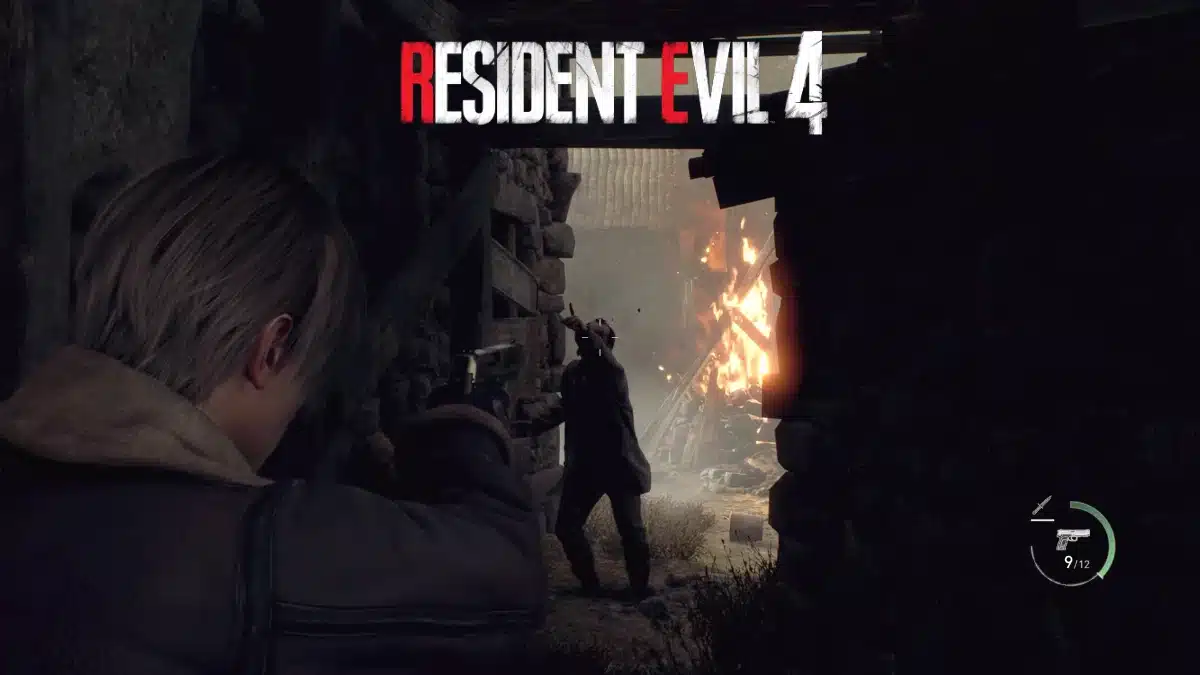
Few opening locations have reinvented a franchise quite like the Spanish Village.
The original Resident Evil 4’s village is already legendary, but the RE4 Remake’s expanded layout, environmental storytelling and visual fidelity make it the more complete and memorable version.
Resident Evil 4 Remake reimagines the village with incredible attention to detail, transforming the isolated farming community into a place that feels genuinely lived in before Las Plagas consumed its inhabitants. Narrow pathways, abandoned homes, farms and surrounding woodland all contribute to an atmosphere that feels oppressive from the moment Leon S. Kennedy arrives.
The opening village siege remains one of the greatest introductions in gaming. Instead of slowly teaching mechanics, the game throws players into chaos, forcing them to adapt while surrounded by relentless Ganados.
The village also introduces several memorable landmarks, from the farm and valley to the church, lakeside cabins and village square. Each area expands naturally from the last, creating one of the most believable settings the series has ever produced.
I still think the opening hours of Resident Evil 4 Remake represent some of the strongest environmental design Capcom has produced. Every return visit reveals another shortcut, hidden treasure or environmental detail that rewards exploration without breaking the tension.
2. Raccoon Police Department [RPD] (Resident Evil 2/RE2 Remake)
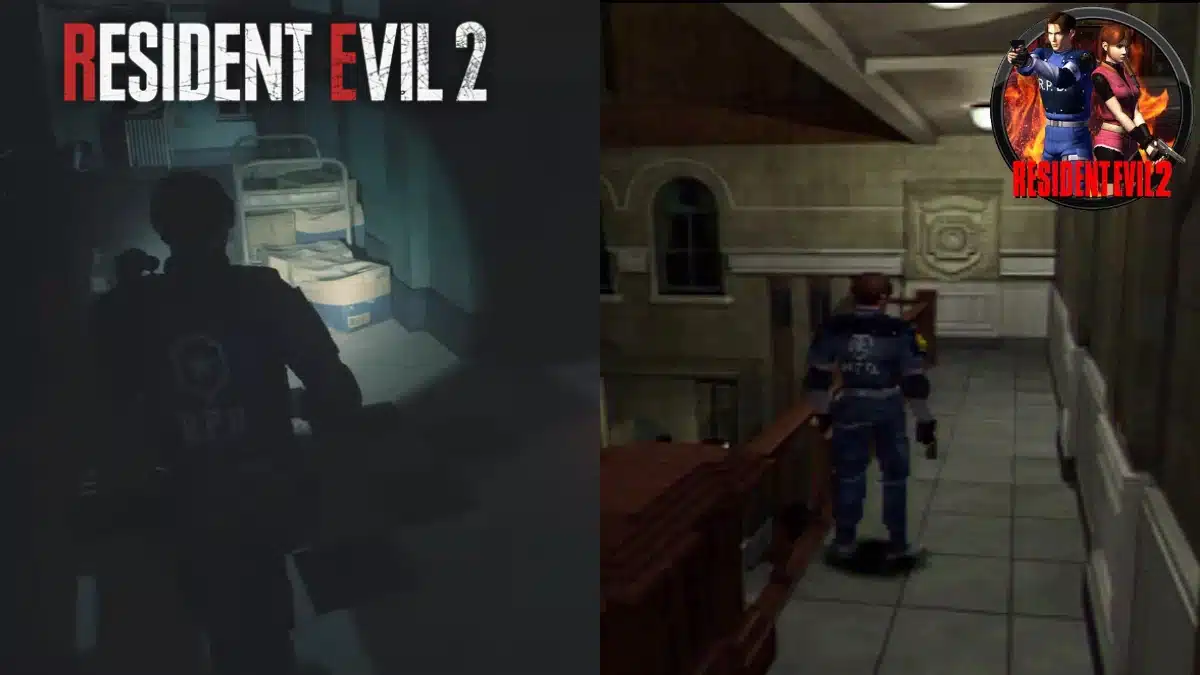
Few gaming locations are as recognisable as the Raccoon Police Department.
Originally designed as an art museum before becoming a police station, the building’s unusual layout gives it an identity unlike anything else in gaming. Grand entrance halls, secret passages, hidden offices and underground facilities combine to create one of the finest examples of interconnected level design ever made.
Every return visit reveals another locked door, another puzzle solved or another route opened. The station rewards curiosity while constantly reminding players that danger is never far away.
The arrival of Mr. X elevates the RPD even further. Hearing his heavy footsteps echo through the corridors completely changes how players approach exploration. Areas that once felt safe suddenly become nerve-racking as players weigh whether to run, hide or stand their ground.
As someone who has replayed Resident Evil 2 well over 50 times (no, I’m not joking), I still believe the RPD represents the perfect balance between exploration, puzzle solving and survival horror. It is the standard that many horror games continue trying to reach.
1. Spencer Mansion (Resident Evil)
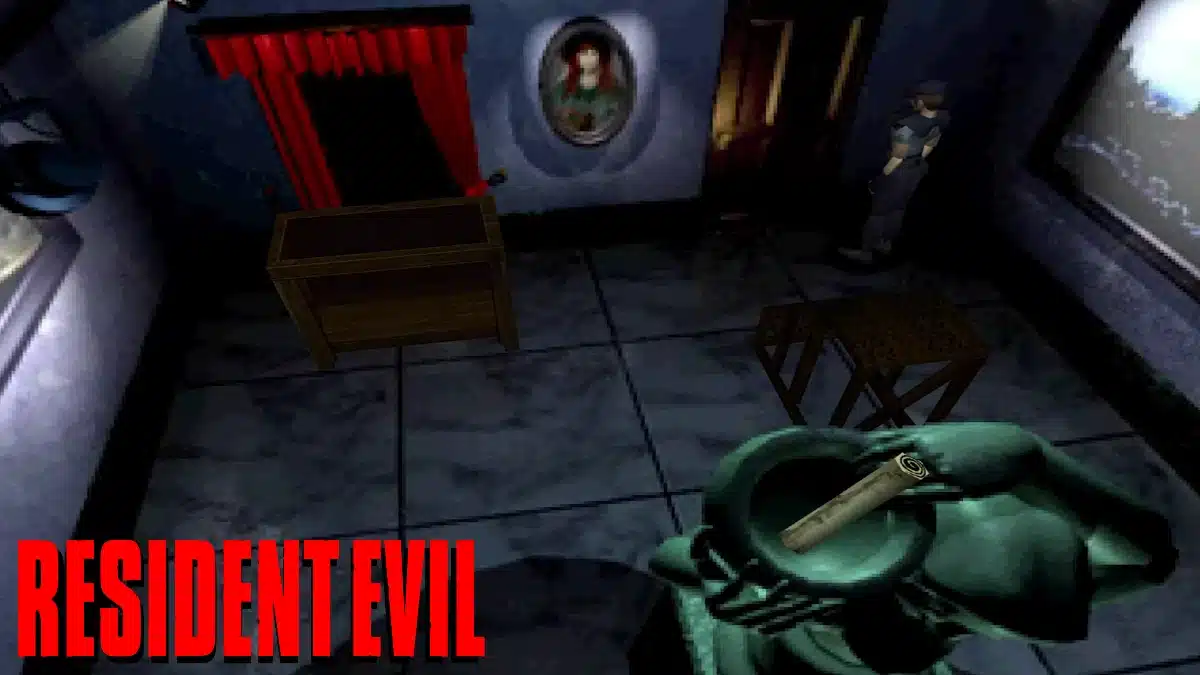
No Resident Evil location has shaped the franchise more than the Spencer Mansion.
It introduced players to the formula that would define survival horror for decades. Locked doors, intricate puzzles, hidden passages, limited resources and terrifying enemies all came together inside one sprawling estate that remains just as effective today as it was in 1996.
Every room tells part of the mansion’s story. Elegant dining halls contrast with hidden laboratories buried beneath the estate, while carefully placed notes slowly reveal the horrifying truth behind Umbrella’s experiments.
The mansion also introduced many of the series’ most memorable enemies. Zombies, Cerberus dogs, giant spiders, Yawn, Crimson Heads in the remake and the deadly Hunters all leave lasting impressions as players gradually uncover every corner of the estate.
What impresses me most is how naturally the mansion teaches survival horror. Players learn to conserve ammunition, memorise routes and carefully consider every decision long before the game explains those ideas outright.
Nearly thirty years later, the Spencer Mansion sits at #1 not just for nostalgia, but because it remains the blueprint for Resident Evil itself. Every major location that followed borrowed something from its design, but none have managed to replace it as the franchise’s defining setting.
Honourable Mention
Ashford Mansion (Resident Evil Code Veronica X)
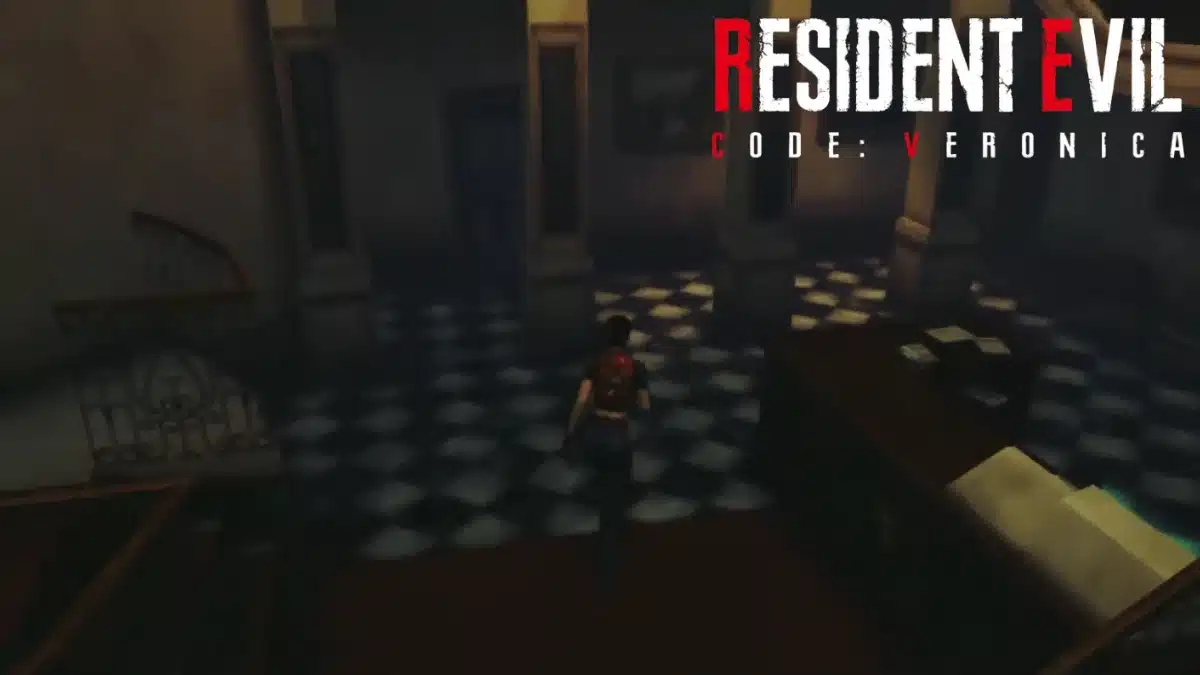
Ashford Mansion narrowly misses the top ten, but it deserves recognition as one of the series’ most distinctive settings.
The mansion reflects the Ashford family’s wealth, obsession and gradual descent into madness through elaborate architecture, lavish décor and unsettling secrets hidden throughout its halls. Every room reinforces the family’s twisted legacy while expanding the wider history of Umbrella.
Although it does not quite reach the iconic status of the locations above, Ashford Mansion remains one of the standout environments from Resident Evil Code Veronica X and a memorable stop in Claire Redfield’s journey.
Resident Evil has never relied solely on terrifying creatures to leave a lasting impression. Its greatest strength has always been the worlds players explore. From abandoned mansions and collapsing cities to castles, laboratories and prisons, these locations have become just as legendary as the characters who survived them.
Other close calls that I nearly included are the Antarctic Base from Code: Veronica X and the Castle from RE4.
While every fan will have their own favourites, these are the places that have defined my journey through the series. They continue to showcase why Resident Evil remains one of gaming’s greatest survival horror franchises, creating locations that stay with players long after the final credits roll.