Key Highlights:
- DmC: Devil May Cry rebooted Capcom’s action series ahead of its January 2013 launch.
- Ninja Theory introduced a redesigned Dante and a separate continuity from the original games.
- The reboot later expanded with DLC and a Definitive Edition for PS4 and Xbox One.
With just over a month remaining before DmC: Devil May Cry arrived on consoles, Capcom’s action series was preparing to undergo one of the biggest changes in its history.
We had followed Devil May Cry for years and were particularly interested to see how the new direction would turn out. Rather than developing another direct sequel to the original games, Capcom partnered with British studio Ninja Theory to create a reboot built around a new interpretation of Dante and the Devil May Cry universe.
That distinction is important. DmC was not a remake of the original 2001 Devil May Cry, as we described it at the time. It instead established its own continuity while retaining familiar elements of the series, including Dante, demons and fast-paced stylish combat.
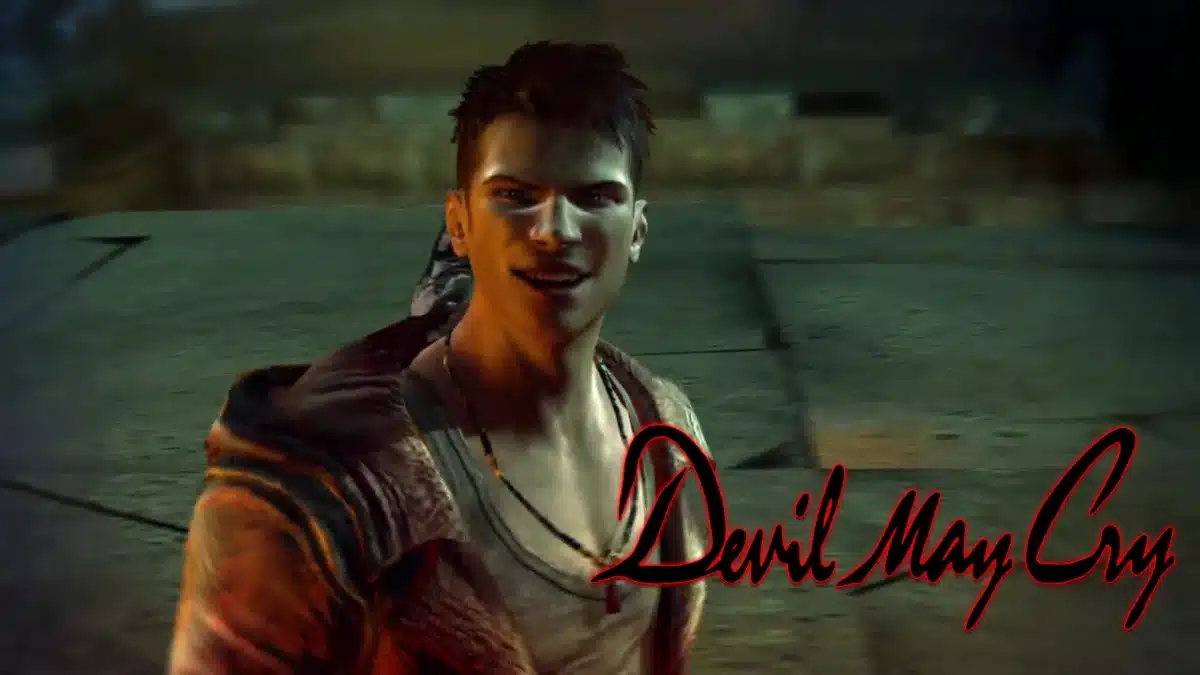
Ninja Theory was already known for developing Heavenly Sword and Enslaved: Odyssey to the West. For DmC, the studio redesigned Dante as a younger character and introduced Limbo City, an environment capable of transforming around him during gameplay.
The new Dante became one of the most discussed aspects of the reboot before release. His appearance was noticeably different from the white-haired version associated with the original series, but this was part of the game’s reimagined continuity rather than simply depicting the original Dante before he changed his hair.
Combat also changed more than our original preview suggested. DmC retained the series’ emphasis on combos and stylish action, while introducing Angel and Demon weapon systems that allowed Dante to switch between different attacks and traversal abilities.
Further gameplay footage released later in December 2012 provided a much clearer demonstration of how Ninja Theory’s combat and transforming environments would work before launch.
DmC: Devil May Cry subsequently released for PlayStation 3 and Xbox 360 on 15 January 2013, followed by the PC version on 25 January. We reviewed the PC version at launch and found that Ninja Theory’s reboot delivered an impressive action game despite the significant changes surrounding Dante and the wider series.
Post-launch support expanded the game further. Bloody Palace added a combat-focused survival mode, while Vergil’s Downfall introduced a separate campaign centred on Dante’s brother.
The reboot eventually returned on newer consoles as DmC: Devil May Cry Definitive Edition. Released for PlayStation 4 and Xbox One on 10 March 2015, the expanded version included the previous downloadable content alongside gameplay changes and additional modes.
More than a decade later, DmC remains separate from the main Devil May Cry continuity rather than replacing it. Capcom returned to the original storyline with Devil May Cry 5 in 2019, leaving Ninja Theory’s game as a standalone reinterpretation of Dante and the series.