
Key Highlights:
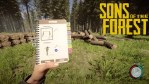
- Build working base lights with light bulbs, solar panels, wiring, and battery packs in Sons of The Forest.
- One solar panel powers up to ten bulbs; two spotlights per panel for best results.
- Electric fences and underground wiring improve defence and keep builds tidy.
Sons of the Forest gives you a few modern tools to make nights safer. Light bulbs are the big quality-of-life upgrade. They turn dark cabins into workable spaces and make patrols less risky.
I remember when they landed in 1.0 and how fast base layouts changed. Fire still has its place, but bulbs give clean, bright coverage that helps with building and fighting at night.
Finding bulbs takes a bit of scavenging. Check crates in camps, underground bunkers, and rooms near the 3D printer. To power them you’ll also need wiring, solar panels, and golf cart batteries.
Wires are common at camps and crash sites. Panels and batteries are rarer, but they’re the heart of any circuit. One panel comfortably runs up to ten bulbs; push past that and you’ll see flicker or shutdown. Spotlights hit harder on load: treat two per panel as your cap.
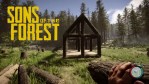
Here’s a quick way to wire a small base. Build a square frame, plank the roof, and slot a solar panel on top. A starter wire spawns automatically. Pull wiring from your inventory, run it along beams, then place light bulbs on any powered log.
Add a battery pack to keep everything running through the night. Use the colour cue on each bulb: no glow means no connection, red means under-powered, green means good.
Useful codes and loads (for players who use the debug menu or want a reference):
| Item | ID | Typical use |
|---|---|---|
| Light Bulb | 635 | General lighting. |
| Solar Panel | 634 | ~10 bulbs or 2 spotlights. |
| Battery Pack | 661 | Night power buffer. |
| Wire | 418 | Runs power along logs. |
If you’re comfortable with cheats, the debug menu lets you spawn items: spawnitem [id] [amount] drops them in the world, while additem [id] [amount] adds them to inventory. Tools like WeMod and Thunderstore host mods that can help, including colour-swap options for bulbs. Back up your saves first.
For players who want portable lighting instead of base setups, the Flashlight is one of the most valuable tools on the island. It’s found near a GPS marker close to the snowy mountain and can be recharged with batteries, making it ideal for cave runs and night exploration.
For defence, wire electric fences off the same network. Cannibals that touch them get stunned, and fences pair well with spikes for easy zone control. I like to hide panels under floors because, in this game, they don’t need actual sunlight. Underground wiring also looks clean and keeps cables out of the way during raids.
Quick fixes if lights won’t work:
- Check the bulb colour. Green is powered, red means add another panel or remove load, no colour means a broken link.
- Count loads. More than ten bulbs on one panel, or a third spotlight, will brown out the line.
- Trace the wiring along each log. If a segment isn’t linked, the chain breaks.
- Add a battery pack if lights die at dusk.
My advice is to route a main “trunk” wire along your central beams, test it with a single bulb, then branch to rooms and fences. It makes upgrades painless, and you’ll spot overloads early.
- Hide solar panels under floors or walls; sunlight isn’t required in-game.
- Respect limits: about ten bulbs or two spotlights per panel to avoid brownouts.
- Use vertical runs to bridge one-and-a-quarter builds cleanly between levels.
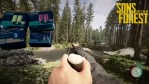
For players still having trouble, this short video covers the most common cause of light bulbs not working at night and shows how to fix it step by step. It’s clear, quick, and has been widely praised by the community for getting straight to the point:

Most newcomers throw panels on the roof. It works, but recent patches changed how panels sit and they can look awkward. A better method is to bury the setup.
I run panels under flooring, pull a vertical wiring run straight up a support, then hop the cable across floors. It’s neat, protected, and easy to service by lifting a few planks.
A tidy underground layout that scales:
- Place two solar panels under the floor and link them.
- Add battery packs so the circuit survives the night.
- Run wiring up the nearest pillar from directly below the panel.
- Snap the wire across beams, then place light bulbs on powered logs.
- Stop at ten bulbs per panel or you’ll hear the tell-tale power drop and see dimming.
Spotlights are great for courtyards and towers, but they’re heavy on power. I cap it at two per panel. For aiming, mount them on full-log posts with a half-log crossbar, then pitch them slightly down to avoid glare. Run the wire up the post and you’ll keep lines almost invisible.
If you want a cleaner look indoors, mix fire-based lamps for warmth with a few bulbs for task lighting in armouries and workrooms.
Bridging height changes can confuse wiring on custom builds. On one-and-a-quarter builds, connect from the vertical run at each step rather than trying to drag a flat line across the gap. The game snaps power along logs, so anchor to the post, then to the next beam.
If a section refuses to light, reconnect from the visible yellow wire segment on the powered log; linking too close to an unpowered piece won’t propagate.
Electric fences shine when space is open. Lay sticks for posts, reinforce with stones so raids don’t knock them over, then run a ground wire parallel to the line and attach. Put spikes just behind the fence so stunned enemies take extra damage.
I keep fences on their own panel when possible. If they trip during a big wave, my interior lights stay green.
A few extra tips from testing:
- Segment big bases into zones with their own panels. If one zone overloads, the rest stay lit.
- Use a “test bulb” at the end of new runs. If it’s green, expand; if it’s red, add a panel first.
- Hide service points under removable planks so you can reroute wiring fast after a fight.
- If you mod, some tools let you change bulb colours for room coding, but stick to vanilla rules for survival saves.
Keep builds simple, watch your loads, and use that green/red cue as your truth. Once the backbone is in, lighting and fences in SOTF become set-and-forget, and nights on the island get a lot less scary.
When your base looks great and is well-furnished, explore the Definitive Sons of the Forest Guide to learn about more intricate mechanics, creative base layouts, and trap placement tactics.